
Fertilizer Rundown: What to Use, When to Apply It, and What NPK Means
Discover the best fertilizer options for Florida lawns, plus guidance on choosing the right products for your lawn care program.

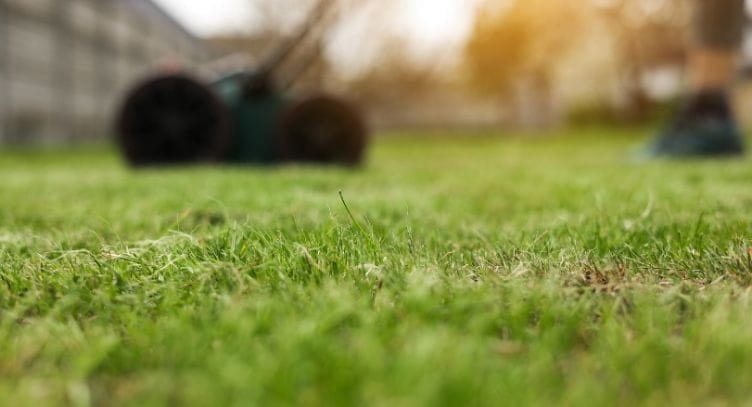
It’s become the all-too-familiar cycle in Florida. Drenching rains in spring lead to lush green landscaping, followed by the dry season and the inevitable water restrictions that come with it.
Water restrictions are a fact of life in Florida, and they can stress homeowners as much as they stress the lawns they’ve spent all spring caring for.
But there’s no need to stress when you see the notice of Florida water restrictions in your area. With a few smart changes and a little preparation, you can sail through the dry season with minimal stress for both you and your lawn.
Florida’s water management districts can restrict lawn irrigation on specific days and at specific times. Typically, this will result in watering being limited to two days per week for residential properties. Daytime irrigation between the hours of 10 a.m. and 4 p.m. is usually prohibited, although different districts may have their own specific restrictions.
However, during more severe drought conditions, many districts will restrict watering to just one day per week, which can make maintaining Florida’s common grass varieties such as St. Augustine, Bermuda, and Zoysia a real challenge.
However, smart watering can often replace frequent watering without sacrificing your lawn’s health. Below, we’ll go over some tips to help you deal with water restrictions this summer.
Many homeowners are unknowingly making the mistake of watering too often and too shallowly. The result is that the restrictions end up seeming like a bigger hurdle than they actually are.
Most Florida lawns will benefit from less frequent, but deeper irrigation, which works perfectly during water-restricted periods. As a general rule, you want to aim for about 1/2 to 3/4 of an inch of irrigation.
Timing is also important to reduce evaporation, but timing is also necessary to work within restrictions. Aim for watering to occur between 4 a.m. and 8 a.m. This reduces evaporation, with the added benefit of helping to reduce fungal diseases, which are common to Florida. Fungicides like Azox 2SC can also help manage disease pressure during periods of heat and humidity.
Another way to help your lawn survive water restrictions is to protect it from excessive heat and moisture loss.
For particularly vulnerable areas, adding temporary shade using shade cloths or umbrellas can reduce sun stress. Mulching around garden beds and borders also helps retain soil moisture, slows evaporation, and keeps weeds from competing for water.
If certain parts of your lawn receive heavy foot traffic, consider using stepping stones or pathways to prevent soil compaction, which makes it harder for water to reach the roots and increases drought stress.
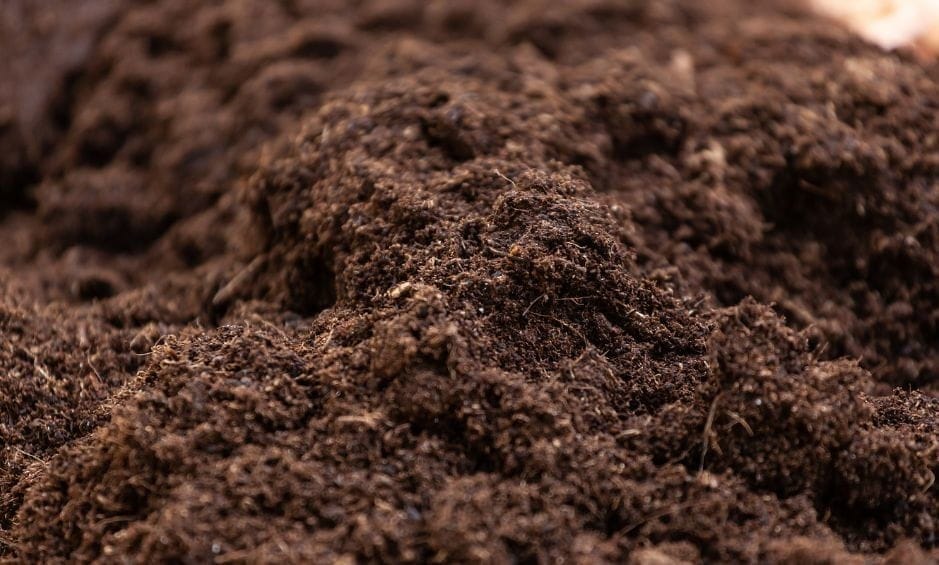
Florida’s sandy soil is notoriously bad at holding moisture. Water passes right through it, which means your grass roots often dry out much faster than you’d expect. But there’s a fix that helps your soil maintain moisture for longer.
Top-dressing your lawn with compost or a soil amendment helps to retain moisture. Professional-grade options like Comand Compost can be used to improve soil structure and moisture retention. An added benefit is that these treatments can also help to minimize thatch build-up, which can prevent water from fully soaking the underlying soil. In addition, soil surfactants or wetting agents can further improve how well water penetrates hydrophobic soils. For serious thatch build-up, consider dethatching.
Finally, aerating compacted areas will help with water penetration deep into the root zone. Performing both of these actions before the dry season hits will provide the most benefit.
Watering restrictions can become an added stress on your lawn. Just like all of us, during times of stress, the last thing we want to do is pile on more stress.
When it comes to your lawn, avoid applying fertilizer, herbicides, or pest control treatments during the hottest, driest parts of the year unless specifically necessary or suggested by a professional.
In most cases, the best time to apply fertilizer is right before the rainy season, or in late spring. If you’re dealing with weed issues, pre-emergent weed control products like Rezilon and Dithiopyr 2 EW are best applied in early spring and fall, giving them time to work before drought conditions hit.
Another way to reduce stress on your lawn is to limit foot traffic on the grass during water restrictions or drought. Soil and grass that are experiencing drought conditions compact more easily, which makes it harder for water to penetrate deeply into the soil.
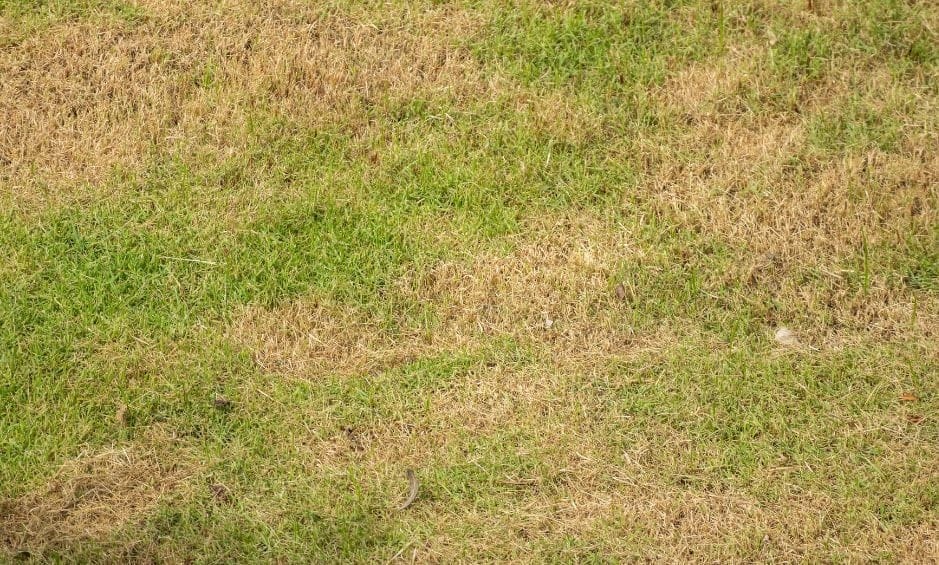
Even the most well-meaning homeowners can make mistakes when they start to see their lawn suffering during dry periods. Avoiding these common pitfalls can help your lawn be more resilient while also conserving water.
Watering briefly on off-days or times: Sometimes, homeowners try to sneak in a little watering on off days. This can result in fines, and it also doesn’t provide the deep soaking your lawn really needs.
Broken sprinkler heads: Not fixing broken sprinkler heads reduces coverage and wastes water, which is the opposite of what you need during a period of water restrictions.
Over-watering when restrictions end: Drought stress doesn’t instantly reverse with one watering. Over-watering can increase the risk of disease, leaving your lawn with more problems than when you started.
Dormancy vs death: Homeowners can sometimes confuse normal dormancy with the death of their grass. Grass varieties like Bahia can go dormant during drought, but will recover. Don’t panic if your grass variety goes into normal dormancy.
Ignoring rainfall: If it rains, your irrigation can be paused. Using a rain sensor or manually adjusting your irrigation saves water and prevents over-watering, which can further stress the grass by opening the door to fungal diseases.
Using the tips in this article can go a long way toward helping your lawn ride out any Florida watering restrictions this summer. However, some lawns may need a little extra help, and that’s where professional lawn care can help.
At Council Oxford, our experts can assess your irrigation system for efficiency, identify pest or disease issues, recommend the right soil amendments for your specific soil type, and build a seasonal care schedule that works with your district’s watering restrictions.
For over 40 years, we’ve helped homeowners navigate Florida’s unique climate. If your lawn is struggling during water-restricted periods, let us help get your grass thriving again.

Discover the best fertilizer options for Florida lawns, plus guidance on choosing the right products for your lawn care program.
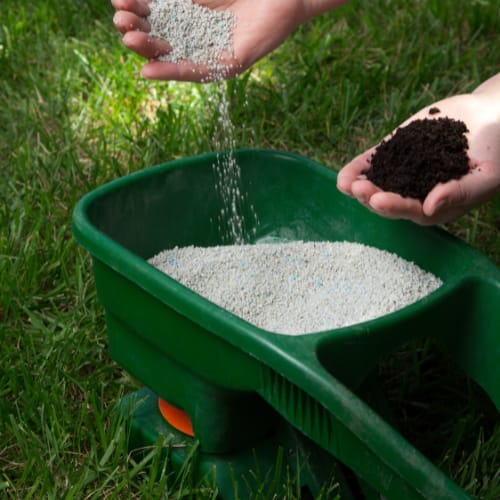
If you’re growing Bermuda, St. Augustine, Zoysia, or Bahia grass here in the Tampa Bay area, the question “when should…
Florida’s heat, humidity, and relentless summer storms create the perfect breeding ground for turf pests, making proactive pest control essential…