
Fertilizer Rundown: What to Use, When to Apply It, and What NPK Means
Discover the best fertilizer options for Florida lawns, plus guidance on choosing the right products for your lawn care program.

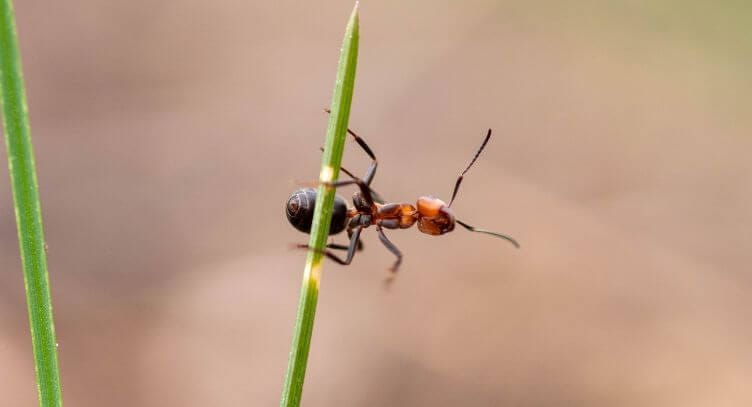
Florida summers can be rough, and it’s not just for the crews that have to work outdoors. Florida summers also create stress for lawns. The combination of heat, near-daily afternoon thunderstorms, and humidity that never seems to drop below 80% creates a pest environment that rivals almost every other state.
But for smart operators who have the right arsenal of products and an application strategy, they can breeze through the summer with amazing results, and more importantly, keep customers happy.
Here are the five pest control products for summer applications that all Florida-based operators should have.
Florida’s climate creates optimal conditions for pests, and they take full advantage when left untreated. Chinch bugs that might take weeks to cause visible damage in a cooler climate can quickly cause brown spots in a St. Augustine lawn.
But Florida’s other predominant turfgrass varieties, like Bahia, Zoysia, and Bermuda, each have their own pest vulnerabilities. The result is that a one-size-fits-all approach simply doesn’t work for Florida pest control.
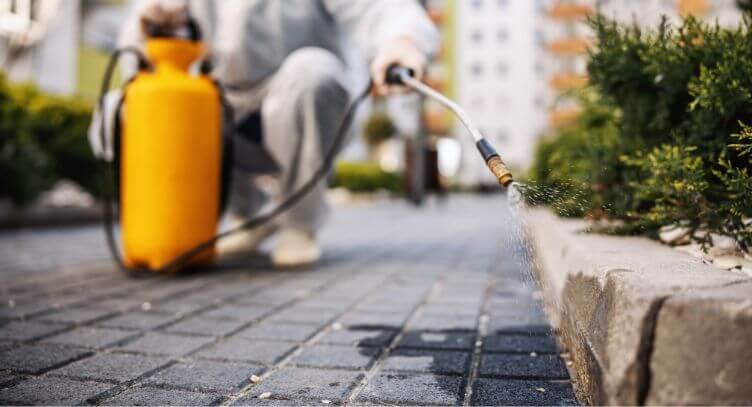
Smart operators strategically layer multiple product types and time applications based on weather, and know which pests are most likely to spike at different points in the season.
To help you develop the perfect strategy, we’ll outline our list of 5 must-have products every operator needs in their arsenal this summer.
Here’s the quick version: Florida turf and pest pressures require a proactive product strategy, especially during the warmer months when insects, grubs, mosquitoes, and ants are most active.
Use this guide as a starting point for building a stronger seasonal program with the right mix of knockdown control, preventive applications, and product rotation.
Bifenthrin and lambda-cyhalothrin-based products remain go-to options for fast knockdown of chinch bugs and other surface feeders like sod webworms and armyworms.
Demand CS, which is a microencapsulated lambda-cyhalothrin, offers extended residual protection that holds up well through Florida’s heat and humidity.
Leave 30 WDG, powered by indoxacarb, is a great knockdown option for leaf-feeding insects like sod webworms, armyworms, and cutworms. Its different mode of action also makes it a useful rotation partner to help reduce repeated reliance on pyrethroids.
Bidy is a beefed-up bifenthrin formulation built for broad-spectrum insect control. It’s a strong option for targeting a wide range of turf pests, making it a useful go-to product when multiple insect pressures are active at once.
You may also want to rotate products throughout the summer or annually, as Florida chinch bugs developing resistance is well-documented. This makes rotations a solid best practice for a sustainable approach. For example, try rotating every other spray. If you spray Bidy in May, spray Demand CS in June.
In Florida, systemic insecticides like imidacloprid or chlorantraniliprole products are widely used for season-long grub control.
Two strong options are ImidaPro 2C and Caravan G. ImidaPro 2C is a solid imidacloprid option that fits well into any preventive program. Caravan G is a granular that combines chlorantraniliprole with a fungicide, which does double duty for operators managing both insect and disease pressure simultaneously.
Worth 25 WDG and Dome are two more preventive options to consider for grub and soil insect programs. Worth 25 WDG offers foliar and systemic control with thiamethoxam, while Dome uses clothianidin for broad-spectrum control of surface and subsurface insects, including white grubs.
As for optimal application timing, getting preventive applications down before eggs hatch, typically targeting late spring through early summer, is the key to a successful strategy.
Again, a rotating system is often your best bet. If you apply a systemic 4 times per year, rotate every other application. If you do two applications, then use two different systemic options.
For recurring barrier spray programs, synthetic pyrethroids remain the backbone for most pest control operators in Florida, with bifenthrin and permethrin being among the most used active ingredients.
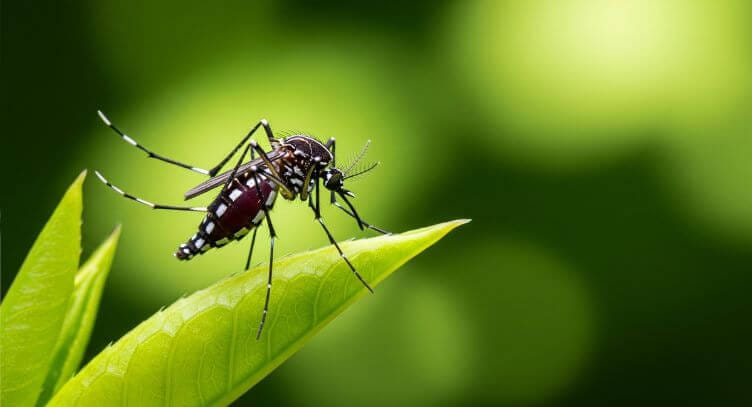
For larvicide, products containing Bacillus thuringiensis israelensis (Bti) or spinosad for standing water treatment are the go-to options. These work well for larviciding water features and low-lying areas on Florida properties.
Tekko Pro can be a useful add-on for mosquito programs because it targets insect development, not just adult activity. As an insect growth regulator, it helps interrupt the mosquito life cycle and supports longer-term population control when paired with adulticides and larvicides.
Of course, educating your customers about standing water is always a preventive measure, but larvicides work when source reduction isn’t enough.
The gold standard for large properties is a two-step approach using broadcast bait followed by individual mound treatment.
For bifenthrin-based control, Bi-Dash and Bidy are two strong options to consider. Bi-Dash provides dependable insect control for turf and perimeter applications, while Bidy offers a beefed-up bifenthrin formulation for a wide range of insect pressures, including ants and fire ants.
Bifenthrin products can also be useful when managing active ant pressure across lawns, landscaped areas, and other outdoor spaces where surface activity is a concern.
If you’re a pest control operator offering flea and tick service add-ons, combination products that target both fleas and ticks in a single application are the smart choice to reduce treatment times and increase efficiency.
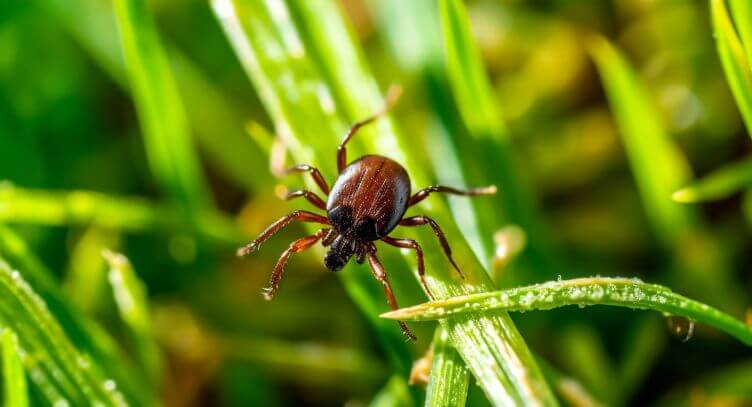
Pyrethroids are going to do the majority of the work in this scenario. A product like Cyzmic CS is a microencapsulated formulation of lambda-cyhalothrin that provides solid residual control against both fleas and ticks.
As an operator, you should also consider pairing it with an insect growth regulator (IGR) like Tekko Pro, which contains pyriproxyfen to break the flea life cycle and prevent reinfestation.
Finding the right products is only half the battle with Florida pest control. Timing is key for maximizing effectiveness, reducing waste, and maintaining efficient operations so your crews can stay on schedule.
These tips can help round out your strategy:
Apply early morning or late afternoon: Aim for when the heat is less intense, and the wind is minimal. This helps protect the employee performing the application, reduces product volatilization, and improves the effectiveness of contact-activity products.
Coordinate with irrigation schedules: Products that require watering-in (most soil-applied insecticides) should be scheduled so post-application irrigation or natural rainfall activates them within 24–48 hours. Cooperation with the customer may be necessary if you don’t have access to the irrigation system or schedule.
Monitor weather windows: Florida’s convective storm pattern makes afternoon weather forecasting unreliable during the summer. Targeting morning application slots gives you a more predictable window and avoids washing the product off before it can dry.
Adjust frequency based on pest pressure cycles: Chinch bug and armyworm populations tend to spike in late summer heat. Be ready to shorten re-treatment intervals during peak pressure weeks rather than sticking rigidly to a 30-day calendar.
Finding the perfect combination of products can be difficult for Florida pest control operators. At Council Oxford, we have over 40 years of experience supplying Florida lawn and pest control businesses with the best products to serve their customers.
Our experts can help you find the right solutions to battle any pest issues your customers are having. Call us at 813-645-4629, and we would be happy to provide you with expert recommendations that give you the tools you need to handle Florida’s challenging summers.

Discover the best fertilizer options for Florida lawns, plus guidance on choosing the right products for your lawn care program.
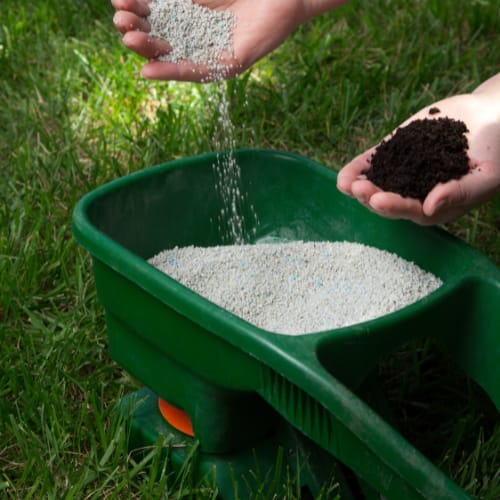
If you’re growing Bermuda, St. Augustine, Zoysia, or Bahia grass here in the Tampa Bay area, the question “when should…
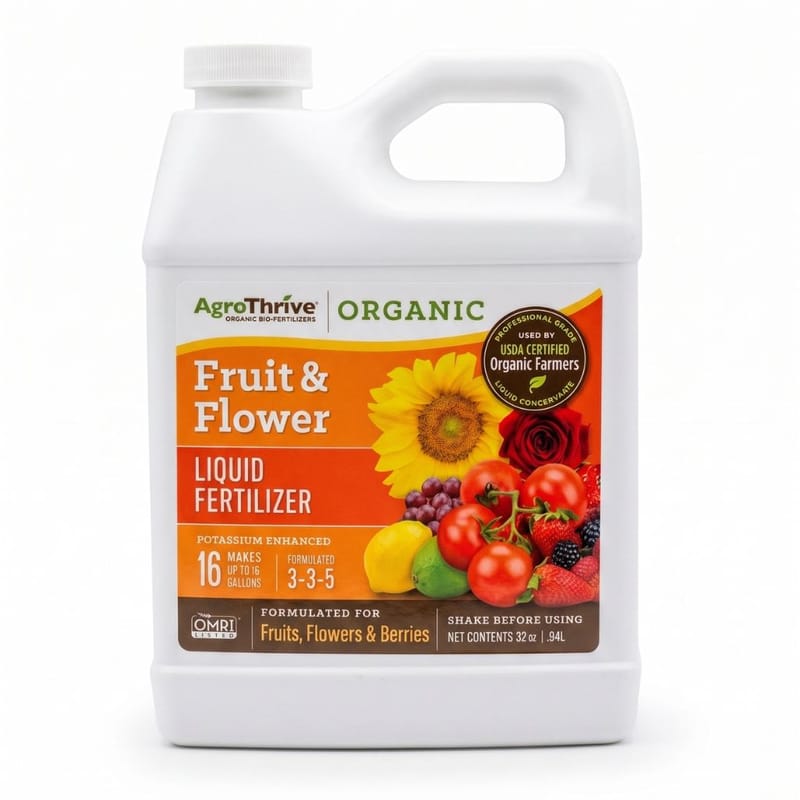
Most fertilizer advice you find online gives you a generic schedule and calls it a day. Apply every two weeks.…