Fertilizer Rundown: What to Use, When to Apply It, and What NPK Means
Discover the best fertilizer options for Florida lawns, plus guidance on choosing the right products for your lawn care program.

If you’re growing Bermuda, St. Augustine, Zoysia, or Bahia grass here in the Tampa Bay area, the question “when should I fertilize?” doesn’t have a one-size-fits-all answer. At Council-Oxford, Inc., we’ve put in over 65 combined years caring for Florida lawns, and the timing mistakes we see are remarkably consistent. Let’s fix that.
Warm-season grasses like Bermuda, St. Augustine, Zoysia, and Bahia follow a growth cycle tied to soil temperature and daylight. They actively grow and need fuel from roughly March through October here in the Tampa Bay area, and they go dormant or semi-dormant in the cooler winter months. Fertilizing on the wrong side of that cycle is one of the biggest reasons lawns don’t respond the way homeowners expect. For more on grass-specific guidance, the UF/IFAS home lawn fertilization guide is a great science-based resource.
It’s also worth noting that several Tampa Bay counties — including Hillsborough, Pinellas, Manatee, and Sarasota — have a fertilizer blackout period from June 1 through September 30, during which nitrogen and phosphorus fertilizers can’t be applied. Check your county’s specific fertilizer ordinance before scheduling summer applications.
We had a customer with Celebration Bermuda grass who was only fertilizing twice a year. They were frustrated — the lawn wasn’t green, and it wasn’t responding no matter what they tried. The problem wasn’t the grass. It was the schedule.
We moved them to:
The result was a noticeably greener, more responsive lawn within one season. Twice-a-year feeding simply can’t keep up with how much a warm-season lawn needs to consume during active growth. An 8-week cycle matches the grass’s actual metabolism instead of guessing.
1. Overfertilizing in winter. When temperatures drop, Bermuda, St. Augustine, Zoysia, and Bahia all slow down significantly. They simply aren’t using nutrients at the same rate. Feeding heavily during this period doesn’t help the grass — it just sits in the soil, gets wasted, or contributes to runoff.
2. Underfertilizing during the growing season. This is the flip side, and it’s just as common. Homeowners who are cautious about overdoing it in winter often carry that same light touch into spring and summer — exactly when the lawn needs consistent feeding to thrive.
The fix is simple in concept, harder in practice: scale up during active growth, scale way back in dormancy.
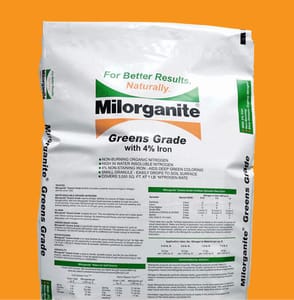
Milorganite has a loyal following, and for good reason — it’s a slow-release, low-burn option that’s gentle on the lawn. But we regularly see customers leaning on it as their only fertilizer. That’s a mistake.
Milorganite works best as a supplement, not a foundation. For the heavy lifting, you need a real synthetic fertilizer suited to Tampa Bay’s soil and climate — something like:
Use Milorganite a couple of times a year alongside your synthetic program, not in place of it.
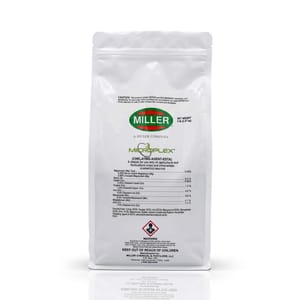
Here’s where we’ll differ from a lot of conventional advice: don’t worry about the iron in your granular fertilizer.
Most granular forms of iron simply aren’t available to the plant in Florida’s soil conditions. The grass can’t actually use it, which means you’re paying for an ingredient that does little to nothing. If you want real green-up, use a liquid iron application instead. It’s far more available to the plant and gives you the visible response you’re looking for.
This ties into our overall philosophy on lawn nutrition:
Treating these as two different jobs, rather than expecting one product to do both, is one of the simplest ways to get better results from the same lawn.
Putting it all together, here’s the rhythm we recommend for Bermuda, St. Augustine, Zoysia, and Bahia lawns in the Tampa Bay area:
The best time to fertilize a warm-season lawn isn’t a single date on the calendar — it’s matching your feeding schedule to the grass’s actual growth cycle. In Tampa Bay, that means consistent granular feeding every 8 weeks through the growing season, a light supplemental touch from Milorganite, liquid iron when you need visible green-up, and a much lighter hand once winter slows things down.
Get that rhythm right, and lawns that have struggled for years — like our Celebration Bermuda customer’s — can turn around in a single season.
Council-Oxford, Inc. has over 65 combined years of experience caring for lawns throughout the Tampa Bay area.

Discover the best fertilizer options for Florida lawns, plus guidance on choosing the right products for your lawn care program.
Florida’s heat, humidity, and relentless summer storms create the perfect breeding ground for turf pests, making proactive pest control essential…
Most fertilizer advice you find online gives you a generic schedule and calls it a day. Apply every two weeks.…