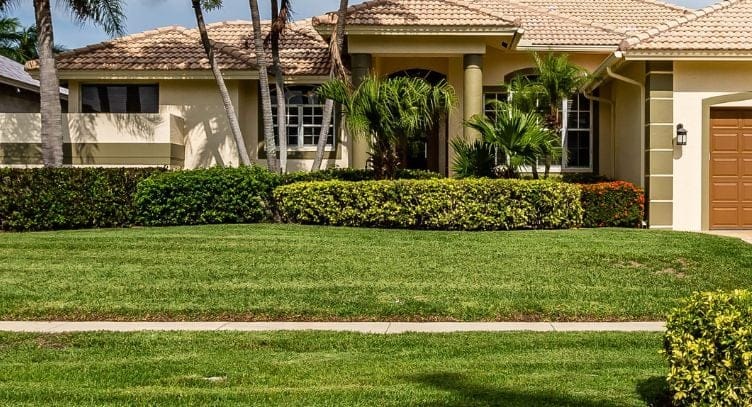
Fertilizer Rundown: What to Use, When to Apply It, and What NPK Means
Discover the best fertilizer options for Florida lawns, plus guidance on choosing the right products for your lawn care program.

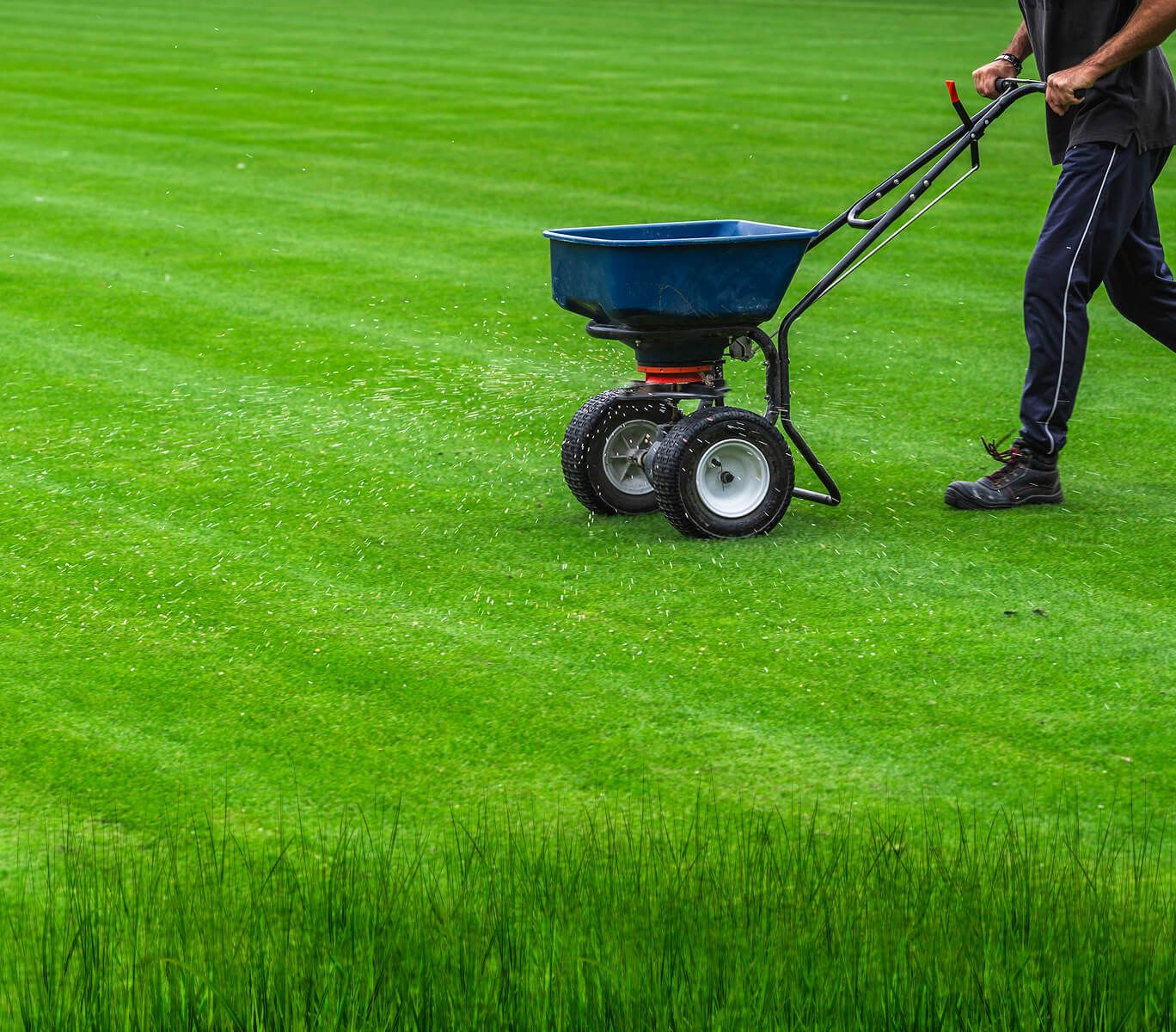
After more than four decades as an agronomist and running a turf supply store here in Florida, “how do I know if my lawn needs fertilizer?” is one of the questions I hear most often — from homeowners, from lawn care professionals, from people who have been staring at their yard for weeks trying to figure out what it needs.
The good news is that your lawn is usually trying to tell you exactly what it needs. You just have to know how to read it.
Before you do anything else, just look at your grass. This sounds simple, but it’s the most important diagnostic step there is, and it’s the first thing I walk every customer through when they come into my store — because the way to know if your lawn needs fertilizer almost always starts with what you can see.
Ask yourself a few basic questions. Is your grass a deep, healthy green, or is it pale and yellowing? Does it look dense and full, or thin and patchy? Has growth slowed down when it shouldn’t have? A lawn that’s getting what it needs looks vibrant, recovers quickly from foot traffic, and grows consistently throughout the season. A lawn that’s running low on nutrients — nitrogen in particular — tends to look washed out, weak, and slow to bounce back.
If your lawn looks great right now, it may not need anything at all. I tell people this all the time and it surprises them, but the honest answer is sometimes: don’t touch it.
The second question I always ask is what the customer has done recently, and when. Fertilizer doesn’t stay in the soil indefinitely, and here in Florida, it moves through the ground faster than most people realize.
Our sandy soils are the reason for this. They don’t hold nutrients the way heavier soils do in other parts of the country. Water moves through them quickly, and fertilizer follows right along with it. UF/IFAS research on nitrogen leaching in Florida turfgrass confirms this pattern — nitrogen applied to sandy, exposed soil leaches into the groundwater at meaningfully higher rates than on well-established, actively growing turf. What you applied six or eight weeks ago may have already leached past the root zone, leaving your turf hungry again sooner than you’d expect.
If it’s been more than six to eight weeks since your last application during the growing season, and your lawn is starting to look a little tired, there’s a good chance it’s ready to be fed again.
This step gets skipped more than it should. Before you assume your lawn needs fertilizer, make sure your irrigation is actually doing its job.
A lawn that’s too dry will look stressed and slow in ways that mirror nutrient deficiency. A lawn that’s getting too much water can actually push fertilizer right past the root zone before the grass has a chance to use it. Either way, you won’t get much out of a fertilizer application if the water situation isn’t right.
Good irrigation and good fertilization work together. If one is off, the other won’t perform the way it should.
After more than forty years in this business, the mistake I see most often is not over-fertilizing — it’s under-fertilizing. People either don’t apply enough product, don’t apply it frequently enough, or they choose a fertilizer that isn’t delivering the right nutrients for their specific lawn and soil.
The other piece of this is focusing on the wrong nutrients. A lot of customers come in concerned about phosphorus or potassium when their lawn is actually starving for nitrogen. Nitrogen is what drives green color and active growth, and it’s the nutrient that Florida lawns burn through the fastest. When a lawn looks pale and thin, nitrogen is usually the first place to look.
One of my customers came in frustrated because his lawn just wasn’t looking the way he wanted it to. He was applying Milorganite four times a year, right in line with the bag’s recommendations. His irrigation was running well. He was mowing every week. By most measures, he was doing everything right — and yet the grass was never quite as green and thick as he expected.
After talking it through, we figured out the problem was nitrogen. Milorganite is a quality organic fertilizer, but it’s relatively low in nitrogen content, and four applications a year simply wasn’t delivering enough to satisfy his lawn’s appetite — especially in Florida’s growing conditions.
We put him on a 16-0-8 granular fertilizer applied every eight weeks throughout the growing season. The results were exactly what he was hoping for. The lawn came in thick, green, and lush. It just needed more nitrogen from a different source, applied more consistently.
That’s a pattern I see over and over. It’s not always about whether you’re fertilizing — it’s about whether what you’re using is actually meeting your lawn’s needs.
If you’re gardening based on national fertilizer guidelines, you’re probably not fertilizing enough for Florida conditions. The general advice you’ll find on the back of most bags — or in national publications — was not written with our climate and our soils in mind.
Here in Florida, I recommend fertilizing every six to eight weeks during the growing season using a granular fertilizer. Our warm climate means the grass is actively growing for most of the year, and our sandy soils simply don’t hold nutrients long enough to get by on two or three applications.
A few other things worth knowing if you’re in Florida:
I feel strongly about this and I say it to almost every customer who comes through my door: fertilizer can only do so much. If your basic lawn care practices aren’t in order, no amount of fertilizer is going to fix the problem.
Before you worry about what to apply, make sure you’re doing the fundamentals right.
During the growing season, your lawn should be mowed at least once a week. Letting it get too tall and then cutting a large amount off at once puts real stress on the turf and sets back its recovery.
Every grass type has an ideal mowing height, and cutting too short weakens the plant significantly. Know what your grass variety needs and stick to it.
This one is underestimated by almost everyone. Dull mower blades don’t cut grass — they tear it. Torn grass blades are ragged, slow to heal, and stressed. That stress weakens the turf, stunts growth, and opens the door to disease and insect pressure. A sharp blade makes a clean cut that heals quickly.
When I see a lawn that’s struggling despite regular fertilization and decent irrigation, dull blades are often part of the reason. It’s a simple fix that makes a significant difference.
Soil testing is a tool I reach for when the simpler questions don’t give me an answer. If your lawn looks poor despite consistent mowing, solid irrigation, and regular fertilization, a soil test can reveal pH imbalances or specific nutrient deficiencies that aren’t obvious from the surface.
It’s not the first step in the process, but it has its place — especially for persistent problems that aren’t responding to what should be working.
If you’re unsure whether your lawn needs fertilizer right now, run through these questions in order:
If everything looks good and you’ve been consistent, your lawn might not need anything right now. If it’s looking pale, thin, or tired — and the irrigation and mowing are in order — it’s probably time to fertilize. When you do, make sure you’re choosing a product with enough nitrogen to actually move the needle, and apply it on a schedule that fits Florida’s growing conditions rather than the national average.
When in doubt, bring a photo or a soil sample to your local agronomist or turf supply store. Knowing how to know if your lawn needs fertilizer isn’t complicated once you know what to look for — and it’s exactly the kind of question we’re here to help with.

Discover the best fertilizer options for Florida lawns, plus guidance on choosing the right products for your lawn care program.
If you’re growing Bermuda, St. Augustine, Zoysia, or Bahia grass here in the Tampa Bay area, the question “when should…
Florida’s heat, humidity, and relentless summer storms create the perfect breeding ground for turf pests, making proactive pest control essential…