Fertilizer Rundown: What to Use, When to Apply It, and What NPK Means
Discover the best fertilizer options for Florida lawns, plus guidance on choosing the right products for your lawn care program.

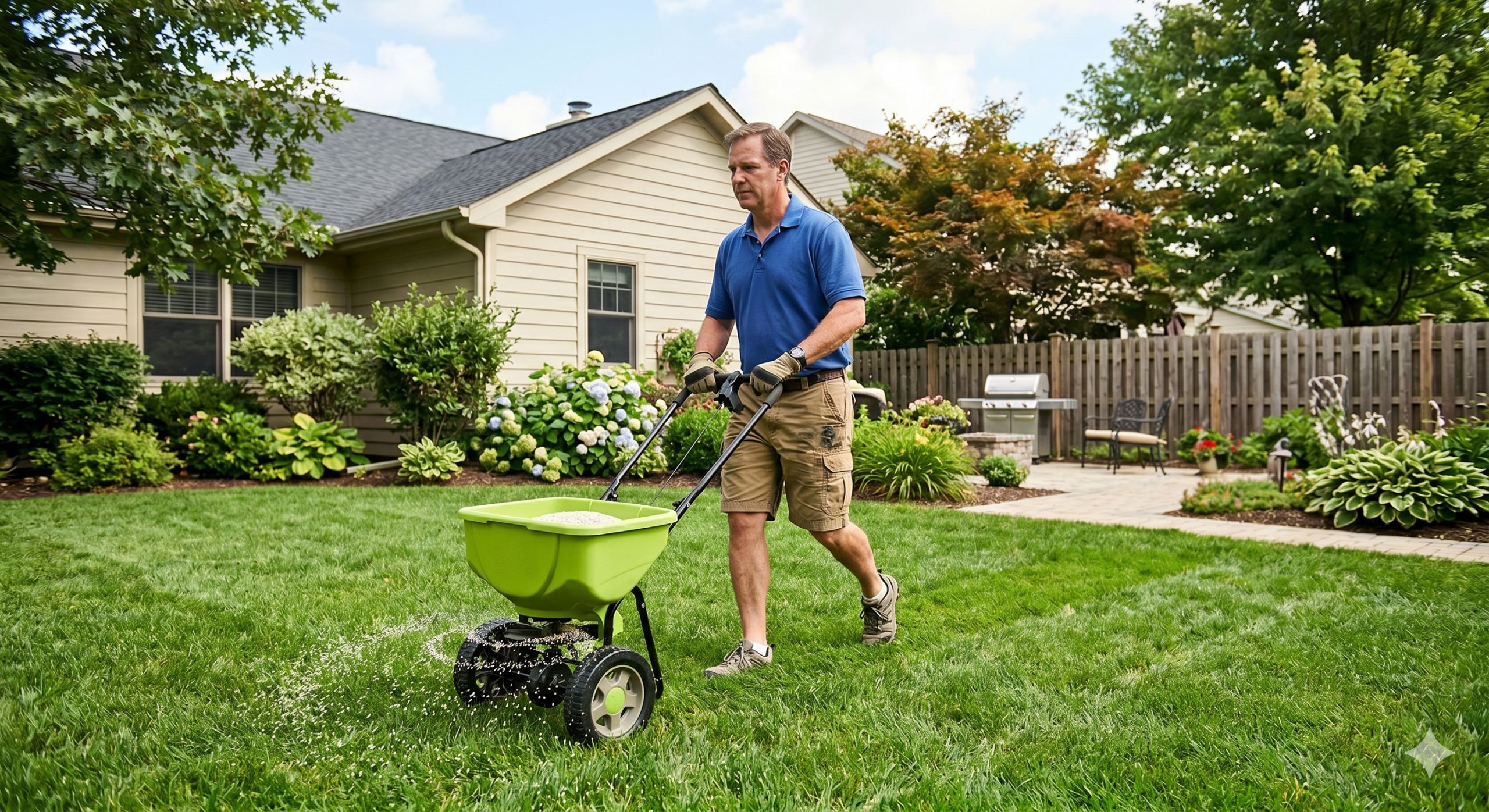
If you’ve ever stood in your yard holding a big bag of fertilizer and thought, “I’ll just use the whole thing” — this post is for you.
We’ve been running a turf supply store since 1980, and in that time we’ve seen just about every fertilizer mistake there is. The number one mistake, by far? Using way too much. It’s the first thing I ask about when a customer comes in frustrated with their lawn, and nine times out of ten, it’s the culprit.
The most common thing I see is customers applying far more fertilizer than their lawn can actually use. I’ve had people come in and tell me they threw an entire 50-pound bag on just 3,000 square feet of grass. They figured more fertilizer meant a greener, healthier lawn. It doesn’t work that way.
Over-applying fertilizer causes real damage, and it hurts you in more ways than one.
More fertilizer is not better. The right amount of fertilizer is better.
When someone walks into my store asking how much fertilizer to use, I never give them a one-size-fits-all answer right away. I need two pieces of information before I can really help them.
The first is how many square feet their lawn is. That’s the obvious one. But the second question is just as important: how much fertilizer have they been applying up until now?
A lawn that’s been over-fertilized for years has different needs than one that’s been neglected. Understanding that history tells me a lot about where to start and what to expect. It also helps me understand whether a customer’s current problems — thin grass, burn spots, patchy growth — are a fertilizer problem or something else entirely.
After more than four decades in this business, here’s the number I keep coming back to: 0.5 to 1 pound of Nitrogen per 1,000 square feet per application.
That range works. It’s enough to feed your lawn and encourage healthy growth without overloading it. It holds up across different grass types and different seasons, and it’s the guideline I give to customers whether they have a small backyard or a large property.
To figure out exactly how much product you need based on your lawn size and your specific fertilizer, use our free fertilizer calculator at counciloxford.com/resources/fertilizer-calculator. It does the math for you so there’s no guesswork involved.
One of my favorite examples is a customer who came in feeling like something was off. He was buying and applying fertilizer regularly, spending good money on it, but he wasn’t seeing the results he expected. He thought maybe he needed a different product.
I asked my two questions. He had about 5,000 square feet of lawn. And every single time he fertilized, he used the whole bag.
That was the problem.
We sat down and worked out a proper application rate for his lawn size. Instead of using the entire bag each time, we backed him down to 12 to 15 pounds per application. That’s a significant reduction from what he had been doing.
The outcome surprised him. His lawn looked better than it had in years, and he was spending noticeably less on fertilizer each season. Better results, less product, less money. That’s what happens when you get the rate right.
If you want to stop guessing and start seeing consistent results, here’s what I’d recommend.
And if you’re ever unsure, come talk to us. That’s what we’re here for. We’ve been helping homeowners get this right since 1980, and there’s no question too basic or too complicated for us to work through together.

Discover the best fertilizer options for Florida lawns, plus guidance on choosing the right products for your lawn care program.
If you’re growing Bermuda, St. Augustine, Zoysia, or Bahia grass here in the Tampa Bay area, the question “when should…
Florida’s heat, humidity, and relentless summer storms create the perfect breeding ground for turf pests, making proactive pest control essential…