
Fertilizer Rundown: What to Use, When to Apply It, and What NPK Means
Discover the best fertilizer options for Florida lawns, plus guidance on choosing the right products for your lawn care program.

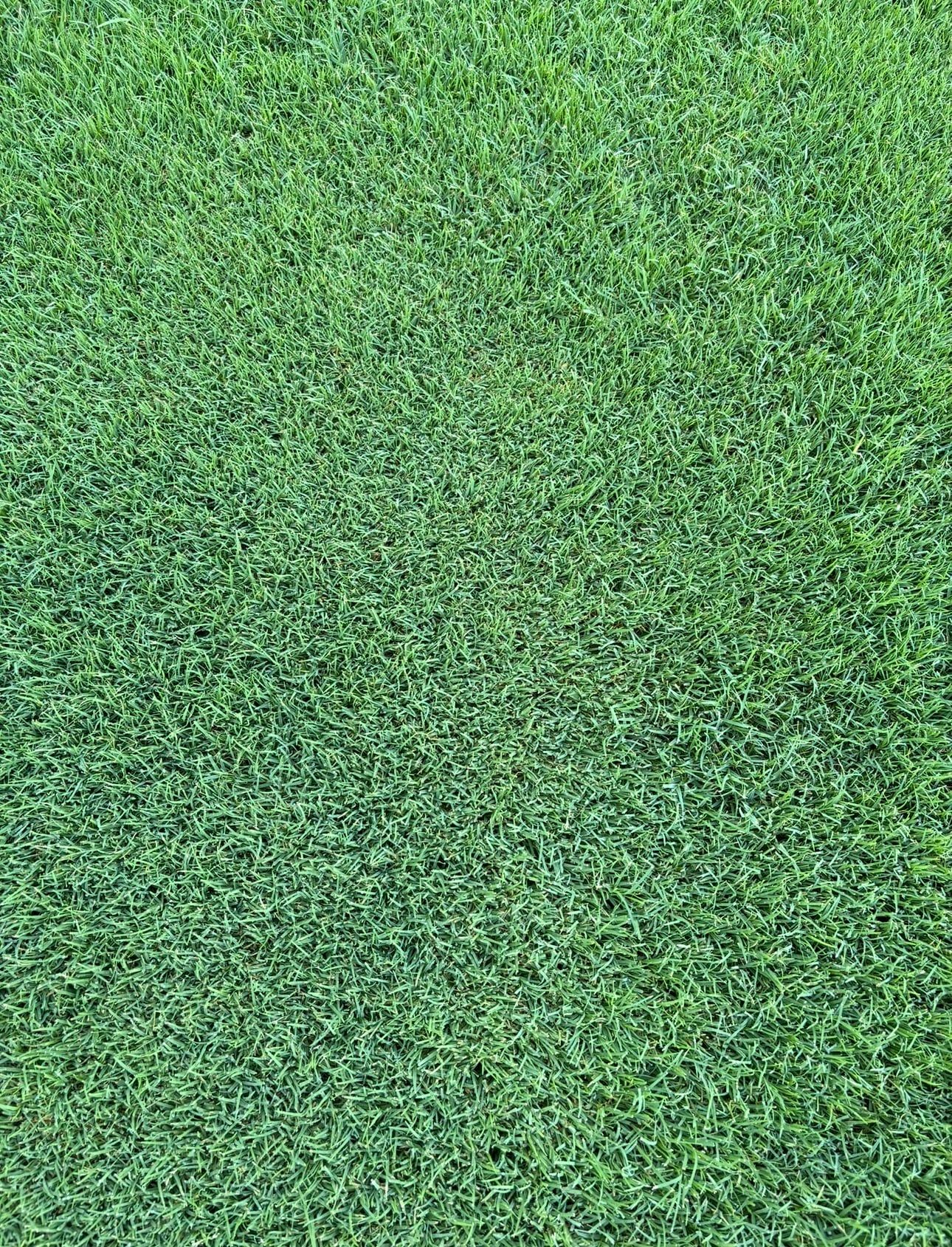
Bermuda grass is one of the most popular turfgrass choices for Florida homeowners, prized for its dense growth, drought tolerance, and ability to handle heavy foot traffic. While it thrives in our sunny climate, getting that golf-course-quality lawn takes the right approach. In this guide, we’ll cover how to successfully dial in your Bermuda grass care throughout Florida.
Yes, Bermuda grass does very well in Florida, and it’s one of the best-suited turf types for the state’s hot, sunny conditions. It’s a warm-season grass that loves heat, tolerates drought once established, and recovers quickly from wear, making it a favorite for homeowners, athletic fields, and golf courses alike.
Certain Bermuda varieties, such as Tifway 419, Bimini, TifTuf, and Celebration, are particularly well-adapted to Florida lawns. These hybrid cultivars offer finer texture, better density, and improved disease resistance compared to common Bermuda seed varieties.
To ensure your Bermuda lawn flourishes in Florida’s intense sun and humidity, consider the following tips:
Bermuda grass needs full sun to perform its best. Areas that receive less than 6-8 hours of direct sunlight will result in thin, weak turf, so trim back tree canopies if shade is an issue.
Bermuda grass should be mowed low and frequently, generally between 0.5-2 inches, depending on the cultivar. Mowing too high can encourage thatch buildup and reduce density.
Once established, Bermuda grass develops a deep root system that handles drought well. Frequent shallow watering encourages weak, shallow roots instead.
Opt for cultivars known to perform well in Florida’s climate, such as Tifway 419, Celebration, Bimini, or TifTuf for improved drought tolerance.
Proper fertilization is key to maintaining a dense, vibrant Bermuda lawn in Florida’s unique growing conditions.
Apply a balanced lawn fertilizer such as a 16-0-8, 24-2-11, 28-0-12, or 16-4-8 during the active growing season. Bermuda grass is a heavy nitrogen feeder compared to many other turf types, so it benefits from more frequent applications than shade-tolerant grasses, but always follow product label rates to avoid burning the turf.
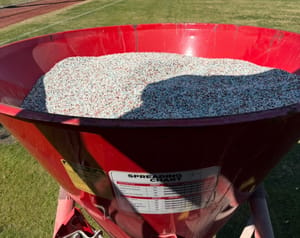
Bermuda grass has a long growing season in Florida and responds well to regular feeding from spring through early fall. Here’s a general guideline:
Apply the first fertilizer of the season once the grass has fully greened up from any “winter” cold stress. This could be anywhere between March and April.
Provide fertilizer applications every 6-8 weeks to support active growth and recovery from mowing and traffic. Check for your counties fertilizer restrictions here, and always comply.
Offer a final application to help the lawn store energy before it slows down for the cooler months. As temperatures lower, your grass will slow it’s growth. Therefore, fertilization is typically unnecessary until temperatures rise.
Remember to always water thoroughly after fertilizing to help distribute nutrients and prevent root burn. Additionally, monitor your lawn closely and adjust the fertilization schedule based on growth and color.
By following these guidelines and understanding the unique requirements of Bermuda grass in Florida’s climate, you can enjoy a dense, resilient lawn year after year. With proper care, your Bermuda grass will reward you with a thick, green carpet that stands up to Florida’s heat and humidity.
Watering Bermuda grass in Florida requires attention to its needs rather than a rigid schedule. This grass is fairly forgiving, but proper watering makes a big difference:
Remember, while Bermuda grass is drought-tolerant once established, newly planted sod or seed needs more frequent, light watering until roots take hold.
A few additional inputs can take your Bermuda lawn from good to great:
By dialing in these inputs, you can not only ensure your Bermuda grass thrives but also keep it looking its best throughout the season.
When evaluating whether Bermuda grass is right for an area of your property, there are certain conditions you should avoid:
Bermuda grass struggles in shade, especially under tree canopies or near structures. Insufficient sun can lead to:
Avoid relying on Bermuda grass in low-lying spots where water pools, as prolonged wet conditions can promote fungal disease.
Heavily compacted soil restricts root growth. Aerate periodically to keep soil loose enough for healthy root development.
While Bermuda grass tolerates traffic well, areas with constant, concentrated wear may need extra attention to recover fully.
By recognizing these challenging conditions, you’ll set your Bermuda lawn up for success across your Florida property.
Proper mowing is essential for maintaining a healthy, dense Bermuda lawn. Here are some general guidelines:
Remember, mowing frequency and height should adjust with the seasons, as Bermuda grass grows much faster in summer than in spring or fall.
To ensure your Bermuda lawn thrives in your Florida yard, consider these expert tips:
Don’t assume all Bermuda grass is the same. Hybrid varieties require more maintenance but offer a finer, denser lawn than common Bermuda. Common Bermuda is often not visually desirable compared to hybrid varieties.
Walk your property and note which areas get full sun before installing Bermuda grass, since it won’t tolerate significant shade.
Consider starting with certified sod from a reputable source to ensure you’re getting a true, disease-resistant variety. Ask us who we recommend!
A pre-emergent program is crucial for keeping Bermuda grass weed-free, since thin spots invite weed encroachment. Consider products like Dithiopyr 2EW, and Resolute 4FL.
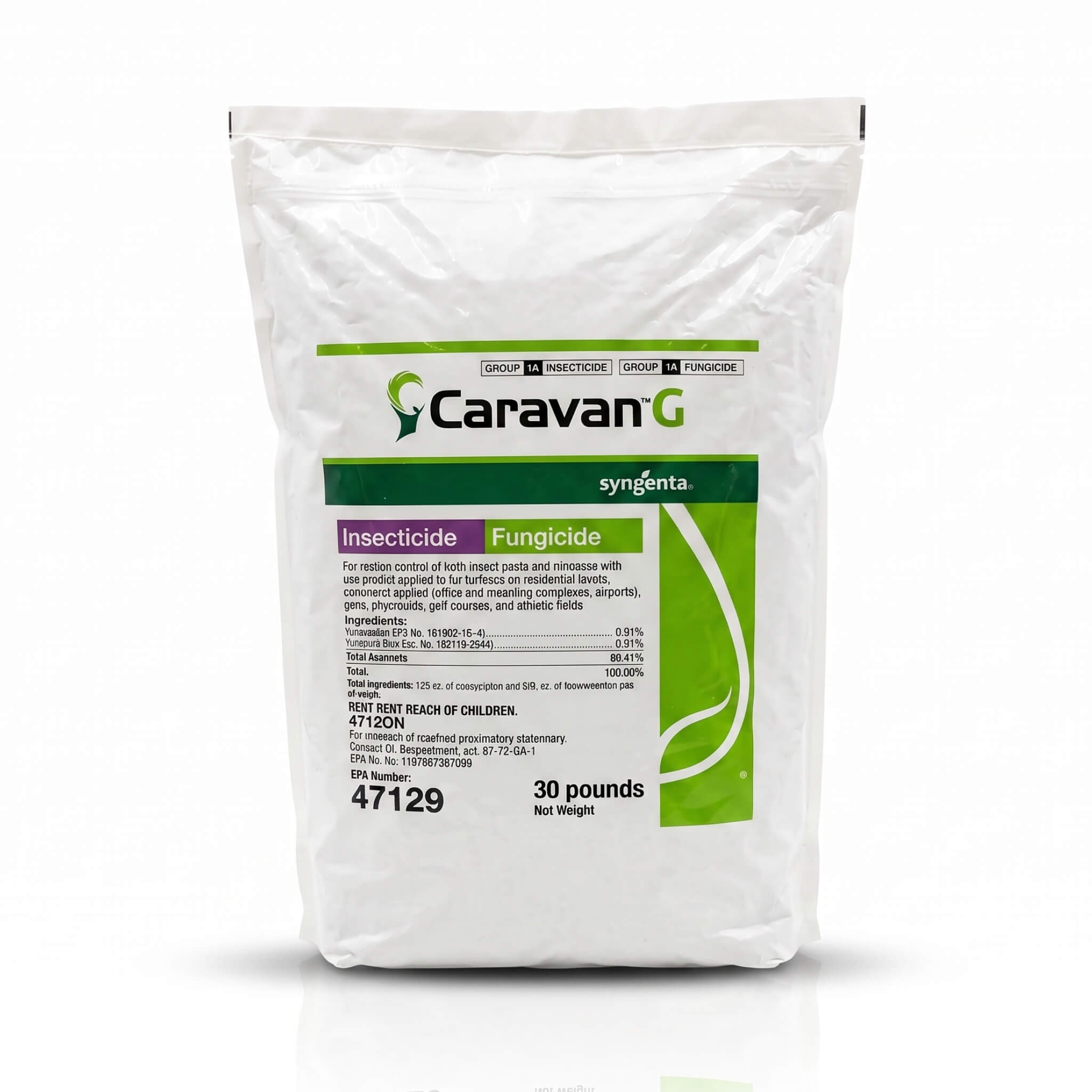
Keep an eye out for common Florida lawn pests like chinch bugs, armyworms, and mole crickets. Early detection and treatment are key. Consider products like ImidaPro 2SC, Caravan G, and Zone Plus.
Bermuda grass goes dormant and turns brown in cooler winter months. This is normal and doesn’t mean the lawn is dead.
By following these guidelines and tips, you can successfully grow a thick, healthy Bermuda grass lawn on your Florida property. Remember, lawn care is an ongoing process, so don’t be discouraged if it takes a season or two to dial in the perfect routine. With consistent care, you’ll be rewarded with a resilient, green lawn that holds up beautifully year-round.

Discover the best fertilizer options for Florida lawns, plus guidance on choosing the right products for your lawn care program.
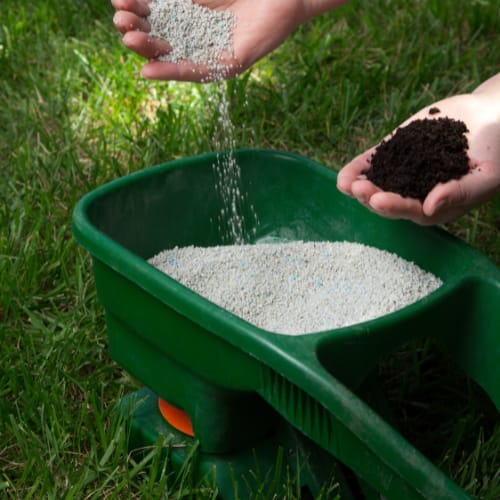
If you’re growing Bermuda, St. Augustine, Zoysia, or Bahia grass here in the Tampa Bay area, the question “when should…
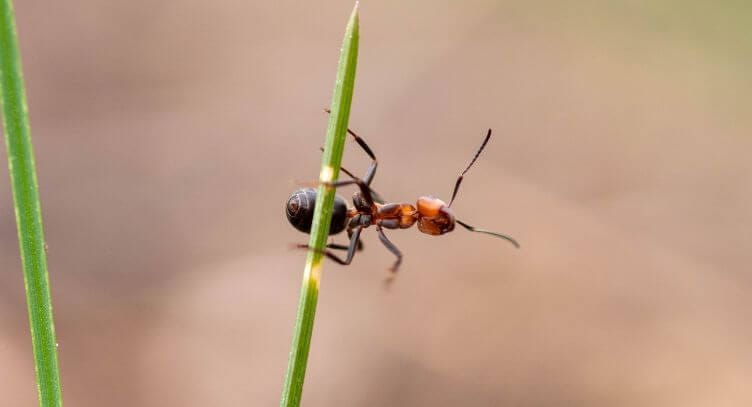
Florida’s heat, humidity, and relentless summer storms create the perfect breeding ground for turf pests, making proactive pest control essential…