
Fertilizer Rundown: What to Use, When to Apply It, and What NPK Means
Discover the best fertilizer options for Florida lawns, plus guidance on choosing the right products for your lawn care program.

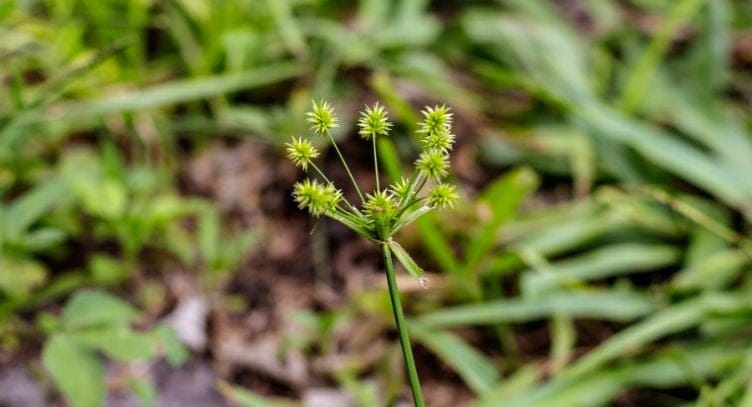
One of the most frustrating weeds for Florida homeowners is nutsedge. This aggressive and fast-growing weed thrives in Florida’s unique subtropical climate. If it’s not detected early and dealt with properly, nutsedge can quickly spread across the turf area, making eradication even more difficult.
Thankfully, there are professional strategies that we’ve successfully used to deal with nutsedge. Below, we’ll share our knowledge about this aggressive weed so you can detect it early and implement a proven game plan to keep it from coming back.
The first step when dealing with nutsedge is early detection. Because of its aggressive nature, waiting too long before identifying the problem can make the situation much more difficult to solve.
Nutsedge is a “sedge”, which is a unique type of weed. A common mistake Florida homeowners make is to confuse nutsedge with grassy or broadleaf weeds. This can lead to incorrect eradication measures, such as using the wrong herbicides that are completely ineffective against nutsedge.
Close inspection of nutsedge will allow you to correctly identify the weed and start to implement the right strategy.
Here is what to look for:
Yellow or Lime Green Color: The most common sedge variety found in Florida is Yellow nutsedge (Cyperus esculentus). This variety will appear yellowish to bright green, depending on the state of growth it’s in. Since most Florida turfgrass has a deep, consistent green color, it’s easy to spot nutsedge with its brighter color.
Leaf Shape: Nutsedge has glossy leaves that are V-shaped. This makes them easier to differentiate from common Florida grass or broadleaf weeds, which have flatter blades. The blades will also be stiffer than the surrounding grass and have a wax-like texture.
Triangular Stem: One of the easiest ways to identify nutsedge is by rolling the stems between your fingers. Nutsedge has a triangular stem, creating defined edges that you can feel. The phrase “sedges have edges” is often used as an easy way to remember this identifying characteristic.
Growth Pattern: Yellow nutsedge will grow in clumps and spread across a turf area. You’ll also notice it growing faster than the surrounding turf.
Because nutsedge flourishes in Florida’s climate, a quick spray or one-time solution simply won’t cut it. Proper eradication requires a long-term strategy that addresses the sedge growth directly, but also the underlying factors that allow it to take hold and spread so quickly.
The most successful long-term strategies for eradicating nutsedge will include the following.
Using the Right Herbicide: The biggest mistake Florida homeowners make is to use herbicides designed for grassy weeds. Nutsedge won’t be affected by these herbicides, rendering them useless. Products containing sulfentrazone or halosulfuron are generally the go-to when dealing with nutsedge.
Looking for a quality herbicide? Try Sedgehammer or Loyalty WDG!
Improve Soil Drainage: Nutsedge already thrives in Florida’s humid and damp soil environment. Soggy soil due to improper drainage can supercharge the growth of nutsedge and make it significantly more difficult to eradicate. Dealing with low spots or compacted soil that holds water goes a long way toward controlling nutsedge growth.
Regular Monitoring: Once nutsedge is properly under control, you still need to monitor the turf area for new growth. Sedges have robust tuber networks underground, and new growth can develop fast when the right conditions exist. Spotting new growth early makes eradication much easier.
In addition to long-term strategies, your regular lawn maintenance activities can also contribute to keeping nutsedge under control.
When mowing, you want to maintain a healthy blade length that’s closest to the maximum for your grass type.
Thick, dense turf can shade the soil, which helps prevent the growth of young nutsedge. It also helps to crowd out other aggressive weeds and grasses.
When watering, always avoid overwatering and choose to water more deeply, but less frequently. Timing the watering early in the day also gives the water time to penetrate the soil and then slowly dry out during the day.
For fertilization, apply balanced, slow-release fertilizers at the recommended seasonal intervals, making sure not to overfertilize. Excess nitrogen can increase nutsedge growth.
Unfortunately, nutsedge can flourish when well-meaning homeowners make a few key mistakes. Avoiding these will help you from inadvertently making your lawn more susceptible to nutsedge.
Manual removal is rarely effective against nutsedge due to the extensive underground network of tubers that makes complete removal virtually impossible. These tubers easily break off during removal and remain under the soil. They can stay there dormant for long periods of time, just waiting until conditions change.
In some cases, manual removal can make nutsedge growth worse as the stress response triggers dormant growth points to restart.
Another common mistake is using herbicides meant for grassy weeds. These are almost completely ineffective and may make your grass weaker if not applied properly. The result is that your lawn is less resistant overall to weed growth.
The most common herbicides used for nutsedge will contain sulfentrazone or halosulfuron.
The best results when using herbicides require proper timing. This means application during active growth cycles. This application timing allows the herbicide to enter the root system as the weed is transporting nutrients.
Applying treatments during slower growth periods (fall through winter) will be less effective.
Poor irrigation can make it more difficult to get a handle on nutsedge growth. The weed already thrives in damp, humid climates. Compounding this with poor irrigation makes the problem even worse.
Addressing any irrigation issues will go a long way toward making your other treatment strategies more effective.
With proper herbicide treatment, lawn care maintenance, and irrigation control, you can have a healthy, lush, and green lawn in Florida.If you’re dealing with nutsedge and need a little assistance, we’d be happy to help you and find the right solution. Contact us, and we will find the perfect strategy to keep your turf healthy and free from nutsedge.

Discover the best fertilizer options for Florida lawns, plus guidance on choosing the right products for your lawn care program.
If you’re growing Bermuda, St. Augustine, Zoysia, or Bahia grass here in the Tampa Bay area, the question “when should…
Florida’s heat, humidity, and relentless summer storms create the perfect breeding ground for turf pests, making proactive pest control essential…