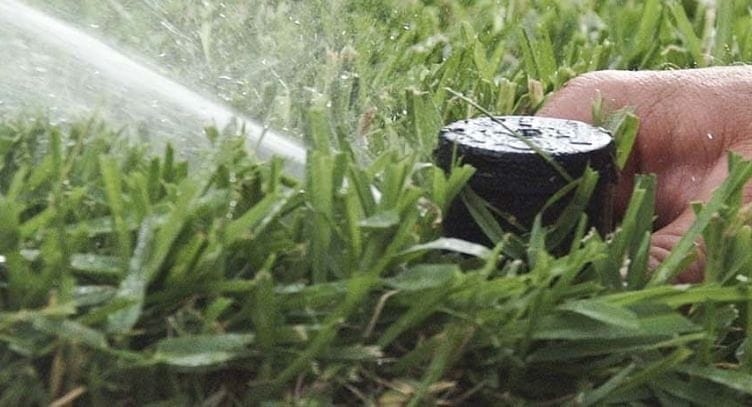
Your Essential Guide to Turf Care: Transitioning from Winter to Spring
Preparing your Florida lawn for spring is the key to a lush, healthy turf all summer long.

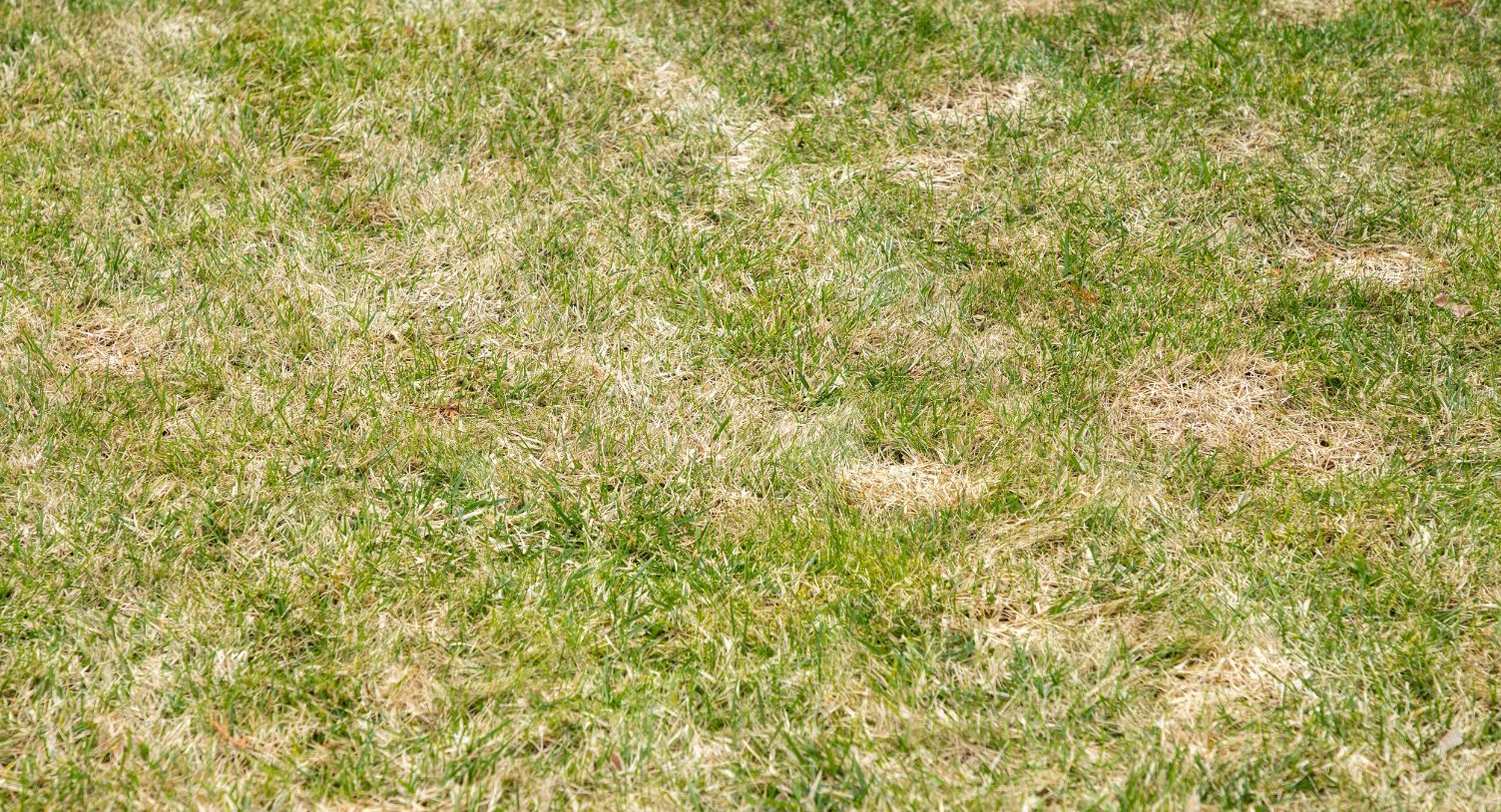
St. Augustine grass is one of the most popular grasses among Florida homeowners. Its lush carpet-like feel and adaptation to Florida’s climate make it an ideal choice for those who want the perfect landscape.
When that vibrant green of St. Augustine grass starts to turn into a dull yellow, it can create a sinking feeling for those who have invested time and money into making their lawn as perfect as it can be.
At Council Oxford, we’ve seen the frustration from homeowners who struggle with this problem and seek our professional assistance to restore their lawn to the lush green they remember.
The good news is that you can reverse the yellowing once the culprit is found. But you have to spot it early before the damage goes too far. To help you stay ahead of any yellowing issues, here are the seven most common reasons your St. Augustine grass is turning yellow, so you can fix it fast.
Most cases of St. Augustine yellowing will come down to one of these underlying problems. Here’s what to look for and how to fix it.
Also, be sure to review our St Augustine’s Homeowner Advantage Program to get your lawn on the right track. Learn about which products to use for dual protection against common problems, plus a simple fertilizer rotation to restore lush, green grass with ease.”
New yellowing is often a sign of nutrient deficiencies. Florida’s sandy soil can leach away vital nutrients like nitrogen or iron during rainy periods from June through September.
Nitrogen deficiency will usually cause yellowing of older grass blades, while newer blades may still retain their normal green color. An iron deficiency will cause yellowing between the veins of each grass blade (called interveinal chlorosis), creating a striped appearance on close inspection.
How to fix it: Apply a slow-release fertilizer formulated specifically for St. Augustine grass every 6-8 weeks during the active growing season (March through October). For iron deficiencies, choose a liquid or granular product. Liquid products will give faster results if you’re just starting to notice the yellowing.
To maintain the proper nutrients and track results, schedule regular soil tests to avoid nutrient levels from dipping too low in the future.
St. Augustine grass can tolerate Florida’s wetter climate, but there’s a limit. Overwatering or poor drainage creates a shallow root system and can suffocate roots, preventing them from taking up nutrients.
A telltale sign of this is if the yellowing starts in areas that typically have standing water. Other symptoms are mushy areas in the lawn or a moldy, sour smell after rain or watering.
How to fix it: St. Augustine grass only needs about an inch of watering per week. Try to water early in the morning if possible to let the lawn dry out during the day. If drainage is an issue, consider adding a French drain, aerating compacted areas, or adding organic matter on top of sandy soil areas.
In Florida’s climate, insects like the southern chinch bug are common culprits for yellowing St. Augustine grass. These tiny pests pierce grass blades and inject saliva that disrupts the plant’s vascular system, causing yellow or brown patches to spread.
Chinch bug resistance can develop over time, making it harder to control with the same treatments. To avoid resistance, it’s important to rotate insecticides and address infestations early. Look for chinch bugs in the thatch layer, especially around hot, dry areas near concrete borders.
Other pests, such as larvae and grubs, can also cause yellowing, leaving patches that grow larger if left untreated.
How to fix it: Inspect your lawn, particularly near concrete borders, where chinch bugs thrive. If you spot them, apply an appropriate insecticide. Rotate your products regularly to prevent resistance and follow the application instructions carefully. Be mindful of not overapplying, as it can harm beneficial insects.
Grass that experiences heat stress will go semi-dormant, creating a yellowish color. Hot periods can also dry out soil, preventing nutrient transfer, which further yellows the grass.
You’ll likely notice heat stress areas in spots that receive direct sunlight, while shaded areas may still appear normal.
How to fix it: Make sure to adjust watering schedules appropriately during extremely hot or dry periods so that the soil doesn’t dry out. Avoid mowing during the hottest part of the day, as this adds to the stress and can make the problem worse.
When mowing, try to leave the blade length at the higher end of what’s recommended. For St. Augustine, a blade length of 3.5 or 4 inches provides more shade for the root structure and can reduce heat stress.
Heavy foot traffic, vehicles, and equipment can compact soil over time. Compacted soil suffers from reduced nutrient absorption and less air flow at the root level. This leaves the grass to struggle, and it often starts to turn yellow.
How to fix it: Core aerate your lawn, preferably in the active growing season (April to June). This allows St. Augustine grass to recover quickly while still getting the benefits of the aeration.
Try to limit traffic on the compacted areas if possible. If not, install pavers or stones in these high-traffic areas.
Fungal disease can also create yellow patches in your St. Augustine grass. Gray leaf spot and brown patch disease are both common in Florida during wetter periods. Some fungus problems are often confused with nutrient deficiencies, so a close inspection of the yellowing is necessary. Areas that appear “scorched” or have brown edges, along with the yellowing, can indicate fungus.
How to fix it: Your main goal is to deal with any drainage issues or overly shaded areas that prevent the soil from properly drying out. Only water in the early morning, and don’t mow when the grass may be wet. Mowing slightly damp grass is never a good idea, and it can spread the fungus to the entire lawn.
The most common form of improper mowing is cutting the grass too short. Some homeowners may prefer this look, or simply believe it makes maintenance easier. But cutting grass too short limits the blade’s photosynthetic leaf surface, stressing the grass and causing yellowing.
Another issue is mowing too infrequently. Cutting off too much from the blades at once is a shock to the grass, and it can go semi-dormant as a result.
How to fix it: Maintain St. Augustine grass at 3.5-4 inches for optimal health and appearance. Don’t remove more than 1/3 of the blade height in a single mowing session. Always make sure your mowing blade is sharpened, not dull. Or else it won’t cut through as clean as it should, and it will create stress and yellowing.
Sometimes, homeowners may have several of these problems existing at once, which can make a proper diagnosis and treatment difficult. If you’re experiencing yellowing of your St. Augustine grass, contact our lawn care expert using the form below.
Our professional lawn experts can help you diagnose the problem and create a multi-pronged strategy to restore your lawn’s color and prevent future yellowing. Contact us to get started.

Preparing your Florida lawn for spring is the key to a lush, healthy turf all summer long.
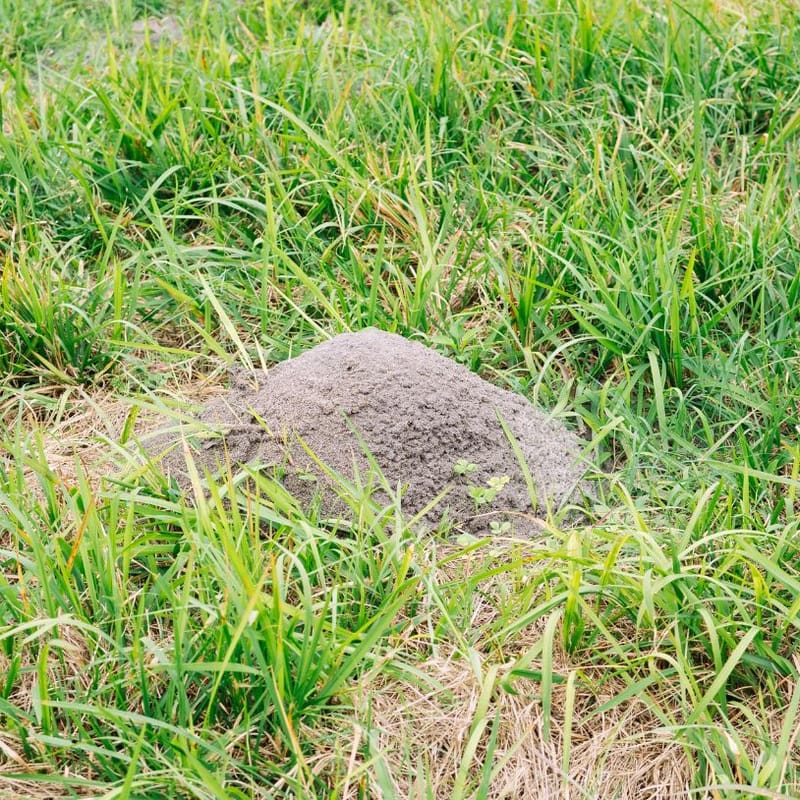
If you’ve lived in Florida long enough, you’ve no doubt had at least one run-in with fire ants. Unlike most…
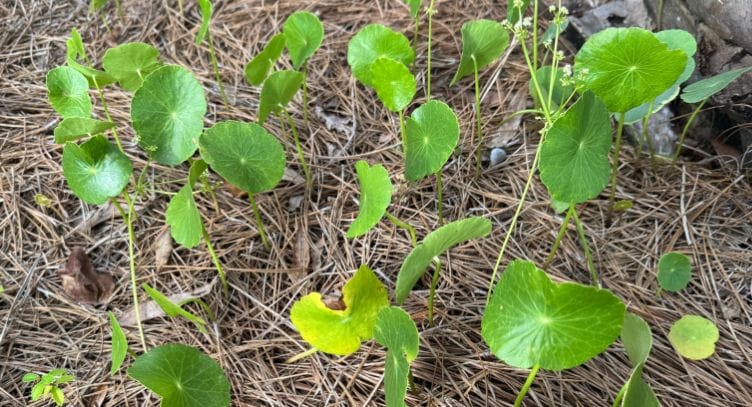
Dollarweed is one of the most common and frustrating weeds Florida homeowners face—especially in St. Augustine grass. Learn how to…