Your Essential Guide to Turf Care: Transitioning from Winter to Spring
Preparing your Florida lawn for spring is the key to a lush, healthy turf all summer long.

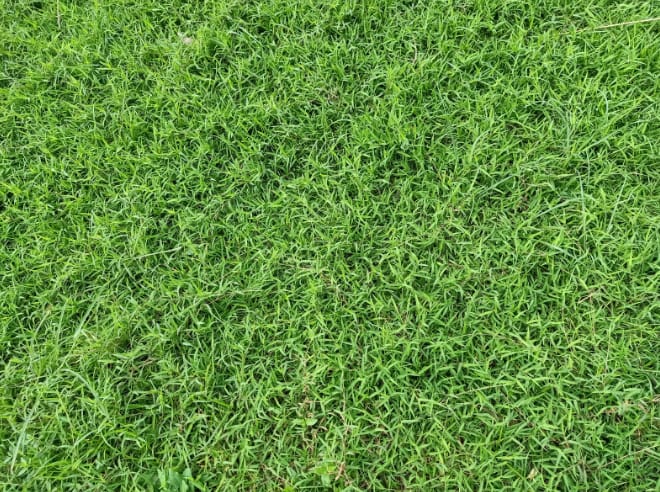
For many Florida landscapers, a lush, weed-free Bermuda grass lawn is the ultimate goal. However, the region’s warm, humid climate and sandy soils create an environment where weeds can thrive, making weed control a constant challenge. As your trusted local experts in lawn care and agriculture, Council Oxford is here to provide you with the knowledge and strategies you need to effectively manage weeds in your Bermuda grass lawn.
In this comprehensive guide, we’ll walk you through the process of identifying common Bermuda grass weeds, understanding the factors that contribute to their growth, and implementing proven control methods to keep your lawn looking its best year-round. Whether you’re a homeowner, golf course superintendent, or sports turf manager, the insights and recommendations in this article will empower you to tackle even the toughest weed problems with confidence.
The first step in effective weed control is accurately identifying the weeds in your Bermuda lawn. Weeds can be broadly categorized into three main types: grassy weeds, broadleaf weeds, and sedges. Grassy weeds, such as crabgrass, have a similar appearance to grass blades and can be difficult to distinguish from your desired turfgrass. Broadleaf weeds, including dandelions, clover, and henbit, have more distinctive leaf shapes and are generally easier to spot. Sedges, like nutsedge, have triangular stems and can be particularly challenging to control.

Some of the most common weeds found in southern Florida Bermuda grass lawns include:
To help you identify these and other common weeds, we’ve included high-quality images showcasing their distinctive features. By familiarizing yourself with the appearance of these weeds at various growth stages, you’ll be better equipped to spot them early and take appropriate control measures.
Weeds are opportunistic plants that take advantage of any weakness in your Bermuda grass lawn. Understanding the factors that contribute to weed growth can help you create an environment that favors your desired turfgrass and minimizes weed pressure.
One of the primary factors leading to weed infestations is poor lawn health. When Bermuda grass is stressed due to improper mowing, watering, or fertilization practices, it becomes less able to compete with weeds for resources. Mowing too low, for example, can scalp the grass and create bare patches where weeds can easily germinate. Similarly, overwatering or underwatering can weaken Bermuda grass and make it more susceptible to weed invasion.
Soil conditions also play a crucial role in weed growth. Nutrient imbalances, pH issues, and compaction can all contribute to a less-than-ideal growing environment for Bermuda grass, giving weeds a competitive advantage. Regular soil testing can help you identify and address any underlying soil problems that may be promoting weed growth.
Finally, it’s important to recognize that weed seeds can enter your lawn through a variety of means, including wind, water, animals, and even contaminated grass seed or soil amendments. Maintaining a thick, healthy stand of Bermuda grass is the best defense against these invasive seeds, as it reduces the space and resources available for them to germinate and establish.
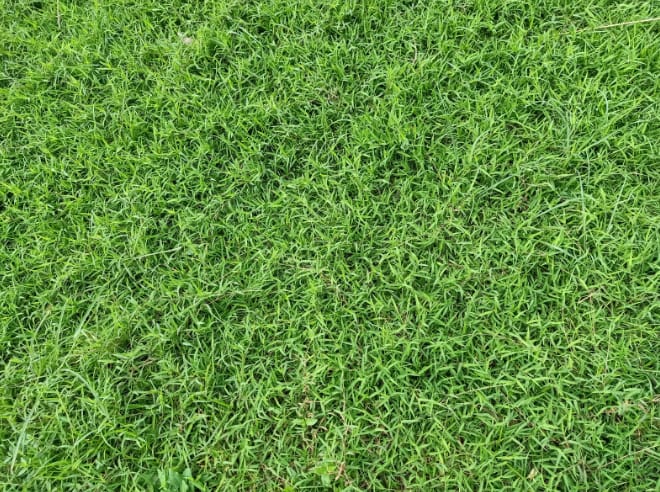
The most effective way to control weeds in your Bermuda grass lawn is through preventative measures that promote a dense, vigorous stand of turfgrass. A healthy lawn naturally outcompetes weeds for space, light, water, and nutrients, making it much harder for them to gain a foothold.
Proper mowing is essential for maintaining the health and density of your Bermuda grass. Mow at the recommended height of 0.5 to 1.5 inches, and never remove more than one-third of the grass blade height at a time. This helps the grass maintain a deep, robust root system and minimizes stress. Mowing frequency should be adjusted based on growth rate, typically requiring weekly or twice-weekly mowing during peak growing seasons.
Watering practices also have a significant impact on lawn health and weed resistance. Deep, infrequent watering encourages Bermuda grass to develop deeper roots, making it more resilient to drought stress and competition from weeds. Aim to provide 1 to 1.5 inches of water per week, either through irrigation or rainfall. Avoid frequent, shallow watering, which promotes shallow root growth and favors weed germination.
Proper fertilization is another key component of maintaining a healthy Bermuda grass lawn. Conduct regular soil tests to determine the specific nutrient needs of your lawn, and apply fertilizer accordingly. Bermuda grass typically requires 1 to 1.5 pounds of nitrogen per 1,000 square feet per month during active growth. Avoid overfertilizing, as this can lead to excessive top growth at the expense of root development and overall grass health.
In addition to these core practices, regular lawn maintenance activities such as aeration and overseeding can help prevent weed infestations. Aerating your lawn annually helps alleviate soil compaction, improving water infiltration and root growth.
By implementing these preventative measures consistently, you’ll create a thick, healthy Bermuda grass lawn that is naturally resistant to weed invasion. While no lawn is completely weed-proof, these practices will significantly reduce the time and effort required for weed control in the long run.
Even with the best preventative measures in place, some weeds may still appear in your Bermuda grass lawn. When this happens, herbicides can be an effective tool for targeted weed control. However, it’s crucial to understand the different types of herbicides available and how to use them correctly to avoid damaging your lawn or contributing to herbicide resistance.
Pre-emergent herbicides are applied before weeds germinate, creating a barrier in the soil that prevents weed seeds from sprouting. In central Florida, the optimal time to apply pre-emergent herbicides is typically between December and February, before soil temperatures rise and trigger weed seed germination. Council Oxford recommends using prodiamine as the pre-emergent of choice for Bermuda grass. It can be applied as a granular or liquid formulation, following label instructions for application rates based on your specific lawn conditions.
Post-emergent herbicides
Post-emergent herbicides, on the other hand, are used to control weeds that have already germinated and are actively growing in your lawn. There are two main categories of post-emergent herbicides: selective and non-selective. Selective herbicides target specific weed species while minimizing damage to your desired turfgrass. For example, Celsius and Certainty are effective selective herbicides for controlling a wide range of grassy and broadleaf weeds in Bermuda grass lawns. Sedgehammer is another selective option specifically designed for tough nutsedge infestations.
Non-selective herbicides, such as glyphosate, kill any plant they come into contact with, including your Bermuda grass. These herbicides should be used carefully and only for spot-treating isolated weed patches or for complete lawn renovation. When using any post-emergent herbicide, always follow label instructions for mixing, application rates, and timing. Most selective herbicides are most effective when applied to actively growing weeds, typically when daytime temperatures are between 60 and 85 degrees Fahrenheit.
To help prevent herbicide resistance, it’s important to rotate between different modes of action and not rely on a single herbicide for all your weed control needs. Combining herbicide applications with proper cultural practices and monitoring your lawn regularly for new weed infestations can also help minimize the risk of resistance developing over time.
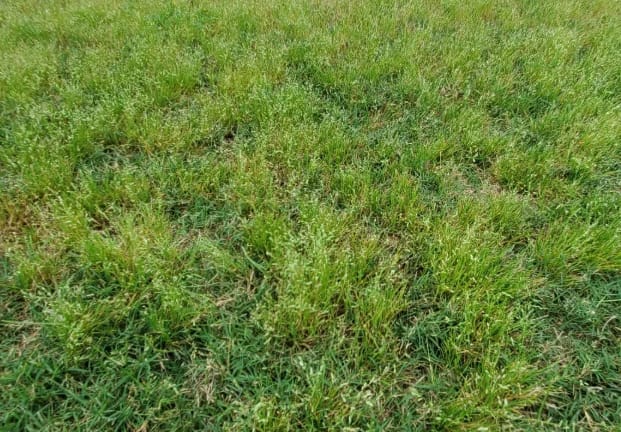
At Council Oxford, we understand that every lawn is unique, and weed control challenges can vary widely depending on your specific circumstances. To help illustrate some of the most common weed issues faced by Florida Bermuda grass lawn owners, we’ve compiled a couple of case studies based on real-world scenarios shared by our customers and forum members.
In one case, a homeowner was struggling with an overwhelming infestation of multiple weed types, including crabgrass, dandelions, clover, and henbit. When faced with a lawn overrun with weeds, it’s important to first identify the primary offenders and then prioritize your control measures based on the severity of each weed type. For this situation, we recommended starting with a combination of cultural practices to improve overall lawn health, followed by targeted applications of selective post-emergent herbicides like Celsius to control the most prevalent weeds. As a beginner, it’s essential to choose herbicide products that are effective against a wide range of weed species while being safe for your Bermuda grass. Reading labels carefully and starting with lower application rates can help minimize the risk of lawn damage as you learn to use these products effectively.
Another common issue faced by central Florida lawn owners is the encroachment of St. Augustine grass into Bermuda grass lawns. While both are warm-season grasses, they have different growth habits and management requirements, leading to an uneven, patchy appearance when intermixed. To selectively control St. Augustine grass in Bermuda lawns, herbicides containing quinclorac can be used, but with caution to avoid damaging the Bermuda grass. In addition to chemical control, cultural practices that favor Bermuda grass growth can help suppress St. Augustine over time. These include maintaining a low mowing height (0.5 to 1.5 inches), avoiding overwatering and overfertilization, and ensuring adequate sunlight exposure, as Bermuda grass tends to outcompete St. Augustine in full sun conditions.
By understanding the specific challenges faced by lawn owners in our region and providing tailored solutions, Council Oxford is committed to helping you achieve a weed-free, thriving Bermuda grass lawn, no matter your starting point.
At Council Oxford, we believe that the most effective and sustainable approach to weed control in Bermuda grass lawns is through an Integrated Pest Management (IPM) strategy. IPM is a holistic, ecosystem-based approach that combines various control methods to manage weeds and other pests while minimizing environmental impact and promoting long-term lawn health.
The foundation of an IPM approach is a strong emphasis on cultural practices that promote healthy, resilient turfgrass. This includes proper mowing, watering, and fertilization techniques, as well as regular aeration and overseeding to maintain a dense, competitive stand of Bermuda grass. By creating an optimal growing environment for your desired turfgrass, you naturally reduce the space and resources available for weeds to establish.
In addition to cultural practices, IPM incorporates biological controls and targeted herbicide applications when necessary. Biological controls involve using natural predators, parasites, or pathogens to help manage weed populations. While research is ongoing, some promising examples include using beneficial insects like weevils to control nutsedge or applying natural weed-suppressive bacteria to the soil.
When herbicides are needed, an IPM approach emphasizes the judicious use of selective products and spot-treatments to minimize overall chemical input. This targeted approach, combined with regular monitoring and record-keeping, helps reduce the risk of herbicide resistance developing over time.
By adopting an IPM mindset, you can create a more sustainable, resilient lawn care program that effectively manages weeds while supporting the long-term health and beauty of your Bermuda grass lawn. Council Oxford’s experts are here to guide you through the process of implementing IPM principles and tailoring them to your specific lawn needs.
While the information and strategies provided in this guide can help you effectively manage weeds in your lawn, there may be times when professional assistance is needed. If you find yourself struggling with persistent weed infestations despite your best efforts, or if you simply don’t have the time or resources to manage your lawn care needs on your own, it may be time to call in the professionals.
At Council Oxford, our team of experienced lawn care specialists has the knowledge, tools, and expertise to tackle even the toughest weed control challenges. We understand the unique growing conditions and weed pressures faced by Bermuda grass lawns in our region, and we use this local expertise to develop customized weed control programs tailored to your specific needs.
Our comprehensive approach combines proven cultural practices, targeted herbicide applications, and innovative IPM strategies to provide long-lasting, sustainable results. We begin by conducting a thorough assessment of your lawn’s current condition, identifying the weed species present, and evaluating any underlying factors contributing to their growth. From there, we develop a personalized treatment plan that addresses your immediate weed control needs while also promoting the overall health and resilience of your Bermuda grass lawn.
Throughout the process, our team will provide you with regular updates, educational resources, and ongoing support to help you maintain a weed-free, thriving lawn. Whether you need a one-time intervention or ongoing maintenance services, Council Oxford is here to partner with you in achieving your lawn care goals.
While implementing proper weed control strategies is essential, it’s equally important to avoid common mistakes that can undermine your efforts and potentially damage your Bermuda grass lawn. Here are three key pitfalls to watch out for:
While Bermuda grass can tolerate lower mowing heights than some other warm-season grasses, cutting it too short can weaken the grass and create openings for weed invasion. Stick to the recommended mowing height of 0.5 to 1.5 inches, and never remove more than one-third of the grass blade height at a time.
Excessive or too-frequent irrigation can lead to a host of problems, including shallow root development, fungal growth, and increased weed pressure. Bermuda grass prefers deep, infrequent watering that allows the soil to dry out slightly between irrigation events. Aim for 1 to 1.5 inches of water per week, and adjust based on rainfall and soil moisture levels.
Improper herbicide application can damage your Bermuda grass, harm beneficial organisms, and contribute to herbicide resistance over time. Always read and follow label instructions carefully, using the recommended application rates and timing for your specific lawn conditions. When in doubt, consult with a professional or conduct a small test area before treating your entire lawn.
By avoiding these common mistakes and staying proactive in your weed control efforts, you’ll be well on your way to growing a thriving Bermuda grass lawn! Weâd love to work with you on building a custom plan for your lawn.


Preparing your Florida lawn for spring is the key to a lush, healthy turf all summer long.
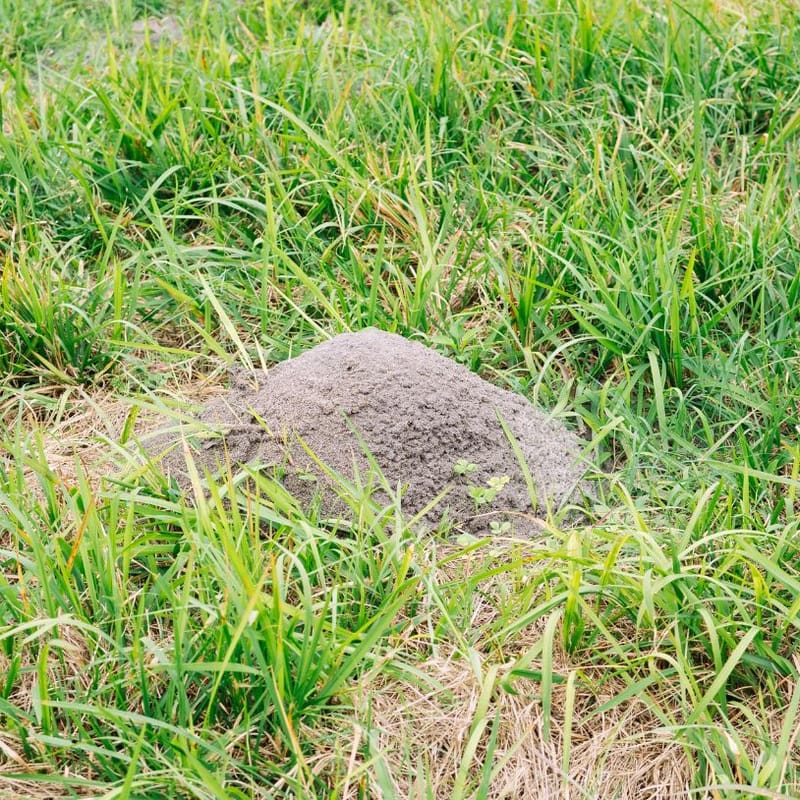
If you’ve lived in Florida long enough, you’ve no doubt had at least one run-in with fire ants. Unlike most…
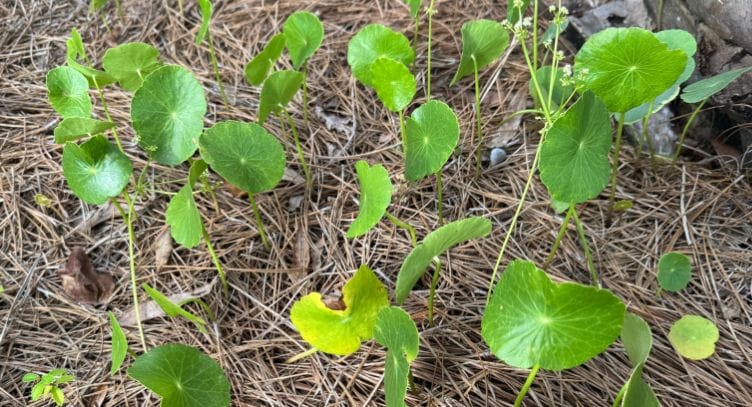
Dollarweed is one of the most common and frustrating weeds Florida homeowners face—especially in St. Augustine grass. Learn how to…