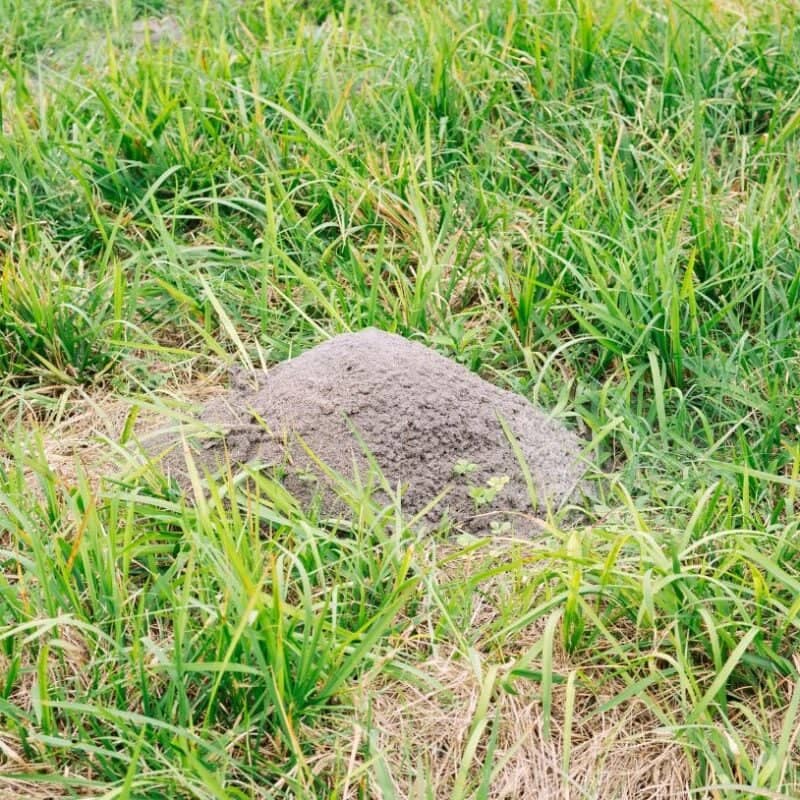
Identifying and Eliminating Fire Ant Mounds in Your Florida Yard
If you’ve lived in Florida long enough, you’ve no doubt had at least one run-in with fire ants. Unlike most…

It’s often said that preparation is the key to success, and when it comes to getting that perfect lawn in Florida, this statement couldn’t be truer.
As the seasons transition from winter to spring in Florida (roughly December through early March), there’s a checklist of preparatory steps you can follow to set your turf up for success throughout the subtropical heat that comes with Florida’s hot and humid summers.
Whether you’re managing St. Augustine, Bahia, Bermuda, or Zoysia grass, these tips will help you make the most of the spring months so your turf emerges lush and green this summer.
Since freezing temperatures are rare in Florida, turf grasses generally do not experience full dormancy like turf in other states. Instead, they may go into a period of slowed growth during the cooler months, rather than a deep dormancy. This means that the grass is still somewhat active, though its growth is reduced.
While your turf may not fully “shut down,” it is still more susceptible to stress. During this time, it’s important to monitor grass health closely, as it requires a little extra care to prevent damage as it starts its transition into the warmer growth phase.
When temperatures rise, your turf needs to “wake up” and begin actively growing again. Without proper preparation, your grass can be vulnerable to weeds and pests before the summer heat even arrives.
Your first step should always be a simple visual examination. Walk around your lawn and look for areas of concern. Uneven color or areas that are obviously stressed can be key things to look out for.
Beyond that, make note of any of the following:
You can start to check your lawn in February and perform regular inspections through March. Don’t be afraid to get down to the turf level and spread the blades apart so you can look down at the soil. Sometimes, trouble like thatch build-up or other issues may not be visible from standing height.
Consider a soil test at this time to ensure your soil can support the upcoming growth stage during the spring. If not, you can easily develop a fertilizer plan based on the soil results, which removes any guesswork.
Over time, dead grass stems, roots, and organic matter can build up at the base of a lawn, creating what’s known as thatch. A normal amount of thatch is about 1/2 an inch, which is beneficial. Just be aware that the proper thatch amount can vary based on the turf type.
But excessive thatch, which is common with well-fertilized turf such as St. Augustine, can create problems during the transition from winter to spring. Excessive thatch can harbor pests and diseases, prevent water and nutrients from reaching roots, and make your lawn feel spongy when walking.
If your thatch layer is over 3/4 of an inch, dethatching is recommended. For most Florida lawns, you’ll want to dethatch in late March or early April. This allows the grass to start growing, but before the summer heat comes, so there’s less stress on the grass. To limit your amount of thatch, try bagging your clippings instead of mulching.
Just be aware that lawns can often look worse immediately after a dethatching, especially during partial dormancy. This is normal, so don’t be alarmed. The key is to dethatch properly, without harming the soil below or the grass above.
Also worth noting that dethatching is great for Zoysia and Bermuda, but St. Augustine does not do well with it.
Florida soil can compact, but it does so in a different way than most other soils throughout the United States. This is due to Florida soil’s sand content.
High traffic and heavy rainfall are the main causes of soil compaction in Florida soil, which restricts roots and can prevent proper nutrient levels.
If your soil has compaction or is prone to compacting, aeration can be a quick solution. Aeration removes small soil “plugs” from the ground. Those removed areas create channels for air, water, and nutrients to flow.
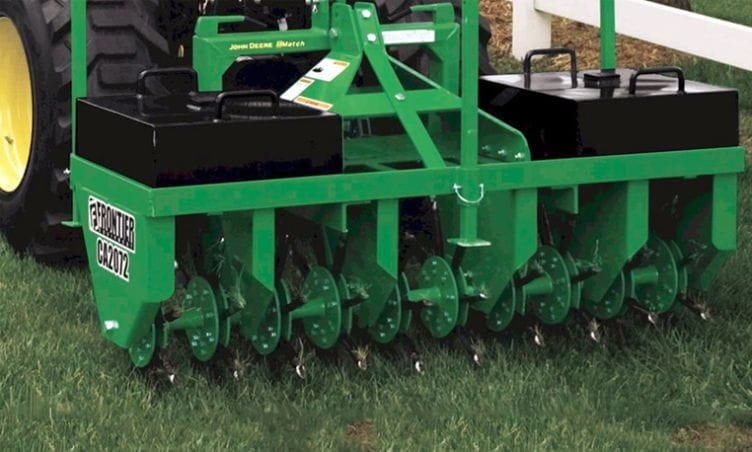
The best time to aerate in Florida is later during the transition from winter to spring/summer, such as April to June. Timing is important because you want to make sure your turf has already entered a growing phase, which allows it to recover quickly after aeration.
For professional results, it’s sometimes recommended to add a light top layer of soil mixed with sand after aeration.
Proper fertilization in Florida starts with timing. For some local areas, there may be restrictions on fertilizing during certain summer months, usually from June 1 through September 30 in Floria. But spring can have fewer restrictions. Make sure to check your local area for specific restrictions.
For the healthiest lawn, wait until your grass is actively growing and nighttime temperatures consistently stay above 65°F before applying your first spring fertilizer. Just be aware that soil temperature should be your true guide, as spring air temperatures can fluctuate wildly.
For most parts of Florida, this means that sometime between March and April, you can fertilize. Generally, you’ll want to focus on slow-release nitrogen fertilizers.
Applying fertilizer too early just wastes money, as the grass can’t absorb any of it, and it simply runs off into the groundwater.
Once the growth of your grass starts to pick up, you can focus on proper mowing, moving from spring into the summer. If you maintain your own lawn, check your mower blade at the start of the season to make sure it’s sharp. A dull blade rips the grass instead of cutting, which can sabotage the rest of your lawn care efforts due to ragged grass blade tips.
Different Florida turf grasses have different height preferences. St. Augustine performs best at 3.5 to 4 inches, Bahia at 3 to 4 inches, Bermuda at 0.5″ – 1.5″, and Zoysia at 2 to 2.5 inches.
You can adjust this slightly for preference, but be careful, as going too short can stress the grass and remove some of its protection from heat stress and other factors.
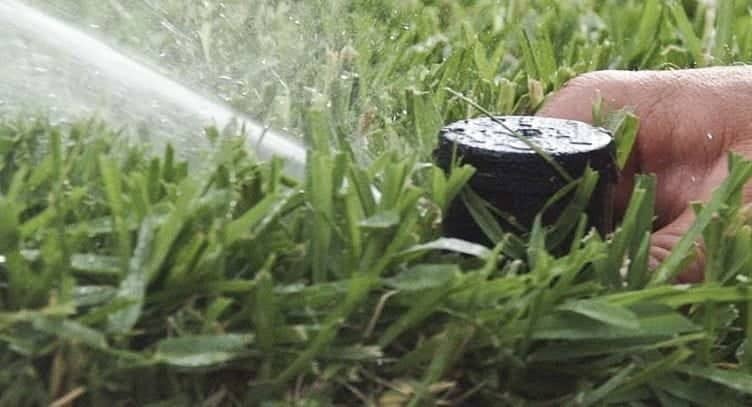
When watering during the transition from winter to spring, a measured approach is what’s needed. Most Florida lawns need about 1.5 inches per week during spring, including any natural rainfall.
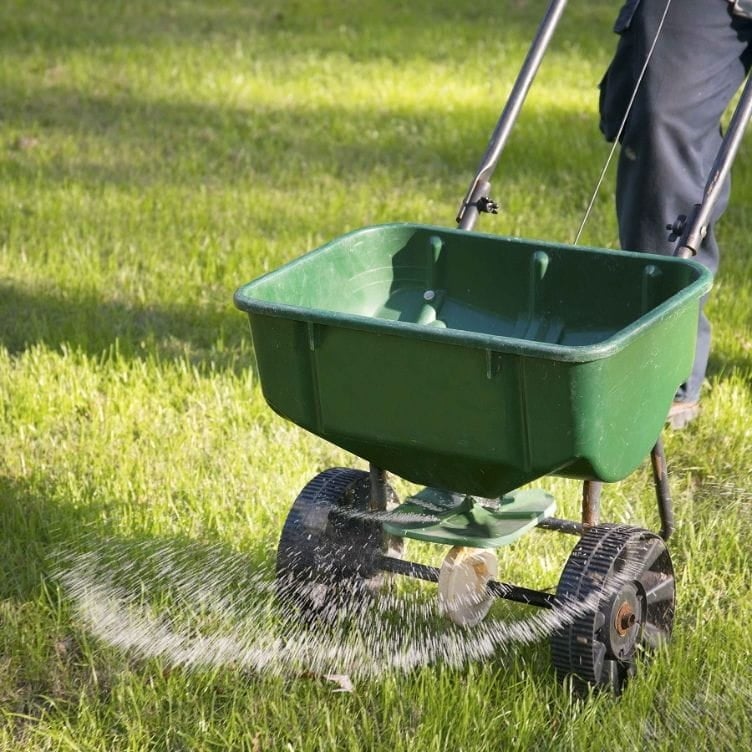
If you have a problem with weeds throughout the summer months, spring is a time to deploy preemergent herbicides. These preemergents work by interrupting the germination process before the weeds become visible. Apply a preemergent product in late February or early March, before soil temperatures reach 65-70°F, which is when most summer annual weeds begin germinating.
Dithiopyr 2EW provides excellent control of crabgrass and other weeds before they become a problem, ensuring your turf remains healthy and competitive against unwanted growth.
For emergent weeds, use spot treatments with a product specified for post-emergent weeds. Make sure to use caution, as many Florida grasses, such as St. Augustine, are sensitive to herbicides. So, always check the label and product details to ensure it’s safe for your grass.
For many homeowners, maintaining their own lawn provides a strong sense of pride that helps them feel connected to their property. However, even the most dedicated homeowners can sometimes be overwhelmed by the number of options when it comes to maintaining Florida turf throughout the year.
Seeking professional turf care gives homeowners access to decades of experience. That experience equals a fast diagnosis of any issues, so turf problems never get out of control and detract from the beauty of your property.
Professionals also have access to commercial-grade fertilizer, herbicides, and equipment, all of which can yield better results, with less stress on your lawn.
If you need a little help with your Florida lawn as you prepare for the hot summer months, contact our turf experts via the form below. At Council-Oxford, we’ve been helping homeowners and commercial property owners maintain perfect turf since 1980.
Let our experience and attention to detail help prepare your lawn for success throughout the year. Contact us today.

If you’ve lived in Florida long enough, you’ve no doubt had at least one run-in with fire ants. Unlike most…
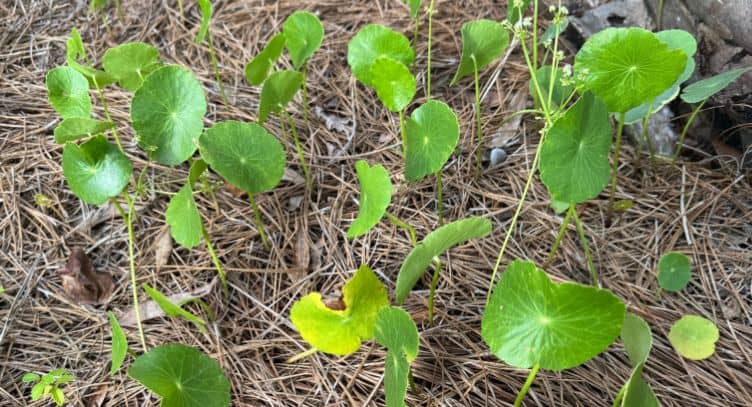
Dollarweed is one of the most common and frustrating weeds Florida homeowners face—especially in St. Augustine grass. Learn how to…
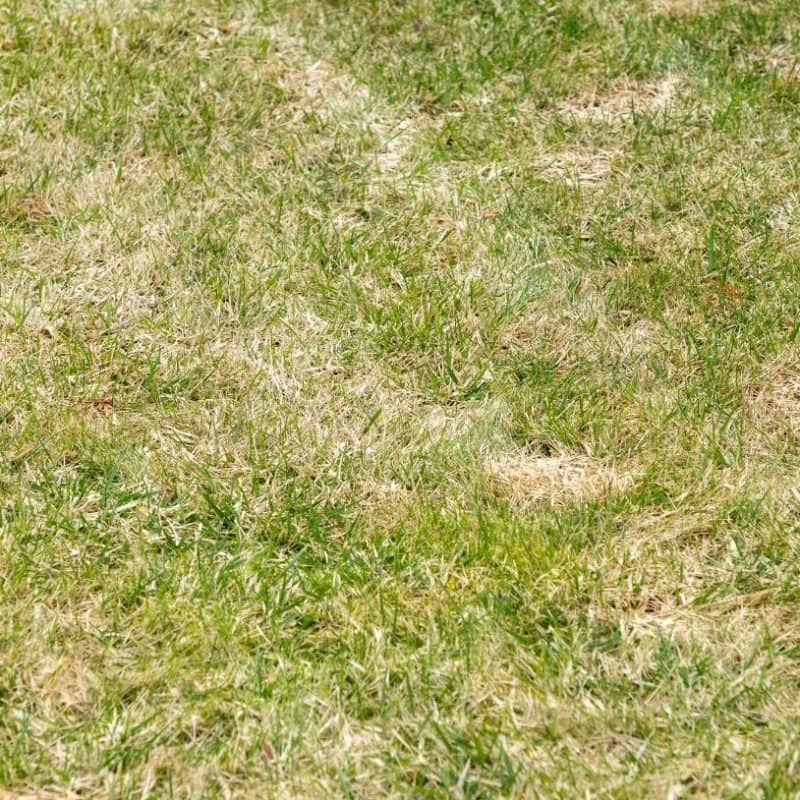
St. Augustine grass is one of the most popular grasses among Florida homeowners. Its lush carpet-like feel and adaptation to…