Your Essential Guide to Turf Care: Transitioning from Winter to Spring
Preparing your Florida lawn for spring is the key to a lush, healthy turf all summer long.

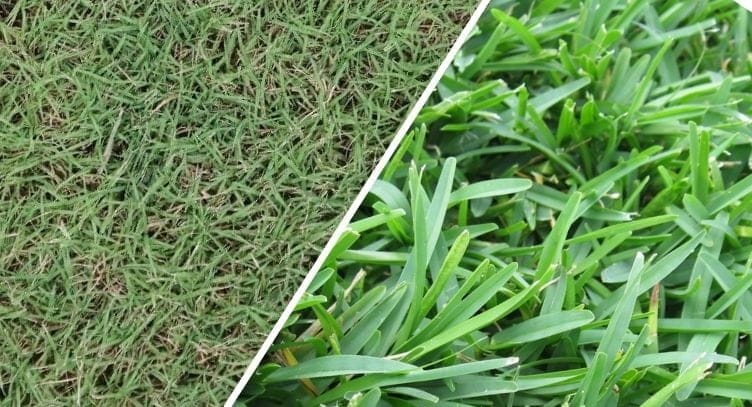
As you drive through different neighborhoods in Florida, you’ve likely noticed how one lawn can look decidedly different from the next. Not just in the way it’s maintained or landscaped, but the qualities of the grass itself.
One reason for the difference is the choice between St. Augustine grass and Bermuda grass. Both are popular choices here in Florida, and each has its own pros and cons. You’ve likely also noticed that if you ask a Floridian about their favorite grass, you’ll hear a slew of opinions when it comes to the St. Augustine vs Bermuda debate.
To help you decide on the best grass for you, we’ll break down the differences below so you can make the right choice to give your property the perfect look and resilience.
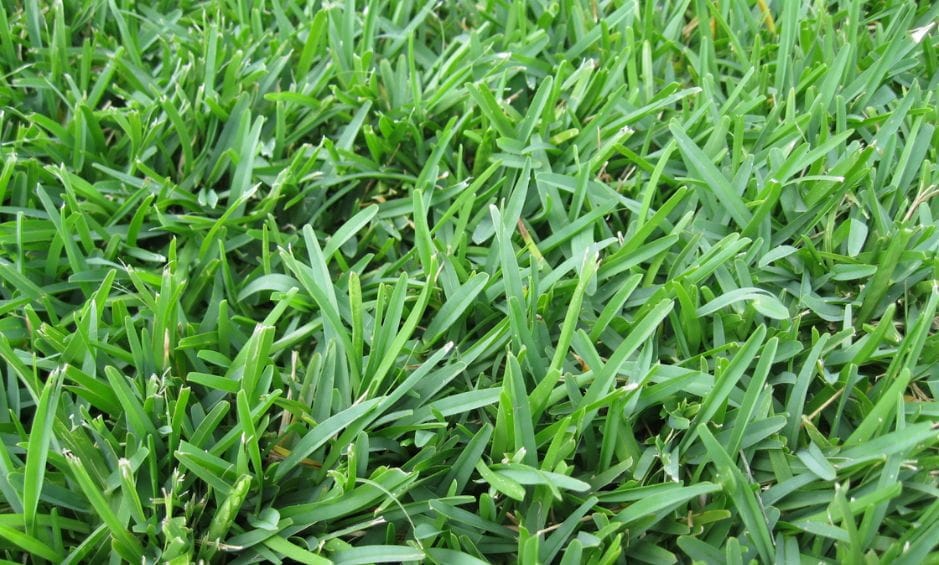
St. Augustine is the most popular choice for residential grass here in Florida, and it’s for good reason. Homeowners love the dense, carpet-like feel of St. Augustine due to its wide, flat blades. It also thrives in humid conditions, making it perfect for our wet sub-tropical climate.
Besides the beloved look and feel of St. Augustine, it also has a high shade tolerance, which can often make it the only choice if your lawn or property has mature oaks or palms creating wide shadows over your lawn. Among warm-weather grasses, St. Augustine is sometimes your only choice for high shade, although other grass varieties, such as Palmetto or CitraBlue, also have certain shade-tolerance qualities as well.
As you read this, it probably sounds like St. Augustine grass is perfect. But there are some drawbacks. St. Augustine grass is considered high maintenance. It needs regular fertilization, consistent irrigation, and special attention when it comes to pest management.
Regular foot traffic can also quickly create worn areas, which makes it difficult for lawns that see a lot of activity from kids, pets, or outdoor events.
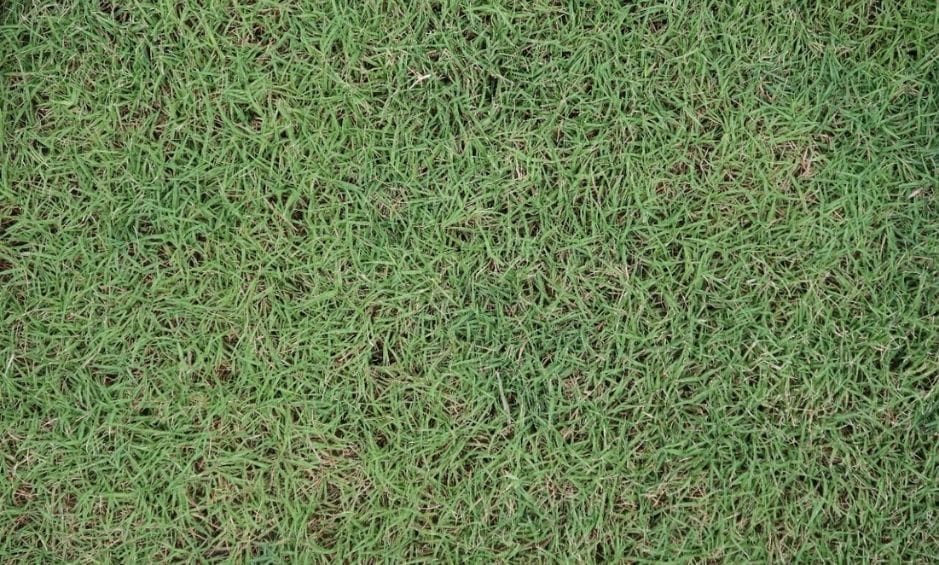
You can think of Bermuda as the flipside of the same coin compared to St. Augustine. By contrast, Bermuda creates a tough, resilient lawn that can take a beating. Unlike St. Augustine, Bermuda has fine to medium blades and grows aggressively, making it one of the most durable turf options available to Florida homeowners. Bermuda also has a finer texture compared to St. Augustine, giving it a softer, smoother “foot” feel.
Bermuda thrives in full sun and actually loves Florida’s intense summer heat. The more sunlight it gets, the better it performs. It also has a fast growth cycle, so it can repair itself from damage much faster and easier than St. Augustine.
As mentioned, Bermuda can be seen as almost the opposite of St. Augustine. Homeowners love its toughness, but it has poor shade tolerance and thrives in direct sunlight. The other downside of Bermuda is that cooler weather in more northern areas will trigger dormancy and browning of the grass.
Both grasses handle Florida’s heat and humidity well, but the differences start to show when it comes to the soil conditions they each prefer. St. Augustine requires optimal irrigation (overwatering is a common cause of failure), and it can adapt well to Florida’s sandy soil areas. It handles our wet summer rainy season without issue as long as your property’s drainage is properly managed. Bermuda is more salt-tolerant, making it a better choice for coastal areas or spots where salt spray is a factor.
Bermuda grass tends to handle the occasional Florida dry spell better than St. Augustine due to a deeper root system. This makes watering a less crucial task. It can also handle Florida’s sandy soils slightly better due to its higher drought tolerance.
Soil pH matters for both. Florida’s soils tend to run slightly acidic, and both grasses prefer a pH in the 6.0 to 7.0 range. A simple soil test before installation can save you a lot of hassles down the road.
This is where the biggest difference between these two grasses lies, and it’s where homeowners generally make their final choice. St. Augustine needs mowing at a height of 3.5 to 4 inches and should be cut frequently during the growing season. Generally, at least every 5-7 days during the summer. Mowing can be slowed to every 10 days during cooler months.
St. Augustine also requires regular fertilization, which usually means 4-6 applications per year.
Finally, St. Augustine requires homeowners or landscapers to be vigilant when it comes to early pest detection or stress. Chinch bugs and Grey Leaf Spot are common threats that can cause significant damage if not managed early. These problems can quickly grow and become harder to fix if left unchecked.
Bermuda is more drought-tolerant once established and generally bounces back faster after minor stresses. However, its aggressive growth means it will invade garden beds and creep into neighboring areas if you’re not staying on top of edging.
Mowing height for Bermuda is also shorter, typically maxing out at around 1.5 inches, but it can be shorter for more durability. That shorter mowing length means your mower and blade quality are more important, and a dull blade or poor mowing can quickly make the lawn look ragged.
In the peak growing season, you’ll have to mow Bermuda more frequently to keep its manicured appearance and maintain the overall health of the grass. However, in cooler months, you can sometimes go 2 weeks or more between mowings.
Bermuda also responds well to practices such as aeration and topdressing, which is why it’s commonly seen on golf courses. These practices help improve soil structure, reduce compaction, and promote healthy root growth, ensuring that the turf remains durable and resilient even with heavy foot traffic.
Overall, Bermuda is lower maintenance in general (other than mowing), and it’s often the choice for homeowners who don’t have a professional lawn service or just want a slightly more resilient option.
Bermuda tops this category handily. Its dense, aggressive growth pattern makes it significantly more resistant to foot traffic, pets, and general wear than St. Augustine. Sports fields and parks around Florida use Bermuda almost exclusively due to its durability.
This doesn’t mean St. Augustine is delicate, and it handles moderate activity just fine if the underlying maintenance factors are all met. But if your lawn gets heavy foot traffic and use, Bermuda wins this category easily.
Prices for the actual grass between these two varieties are similar. Both grasses are typically installed as sod in Florida rather than seed, though seeds are available.
St. Augustine sod is widely available and generally priced competitively across the state. Bermuda sod is similarly easy to find, but premium varieties like Celebration or TifTuf can cost more.
Installation cost is more dependent on the preparation required and varies widely between properties. Problems with the soil, including grading or irrigation, will increase the costs regardless of the grass you choose.
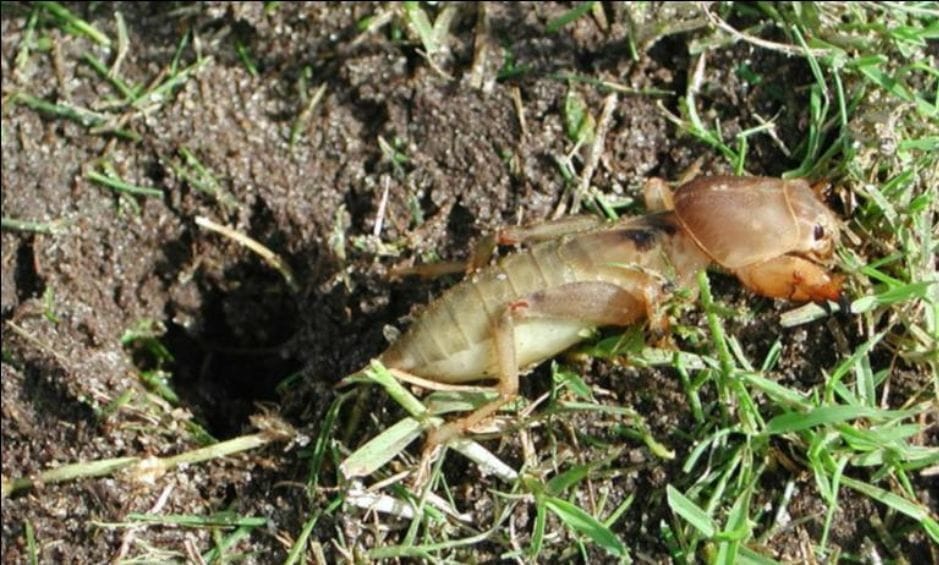
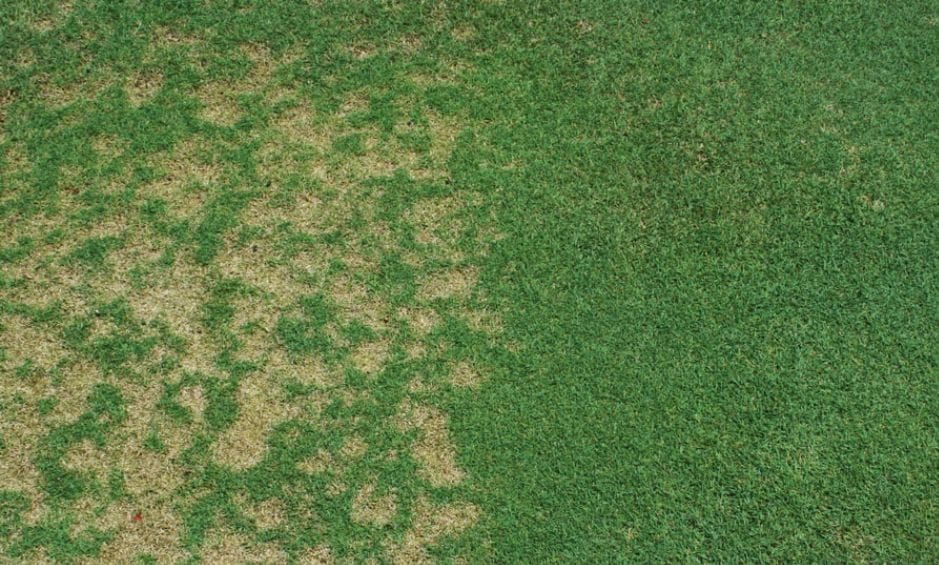
Bermuda is generally more resistant to pests and disease, but this doesn’t mean it’s immune. It can develop dollar spot fungus under certain conditions. Bermuda is also susceptible to mole crickets, armyworms, sod webworms, and grubworms, which are significant turf pests throughout Florida.
St. Augustine is particularly susceptible to chinch bugs, which thrive in Florida’s heat and can devastate a lawn in a matter of weeks if left untreated. It’s also prone to gray leaf spot and large patch fungal disease, especially during wet periods.
Having St. Augustine grass means that early detection of pests and disease is more important. However, both grasses will require close inspections, and using a professional lawn service that understands Florida grasses can help you spot problems before they threaten your entire lawn and end up costing much more to fix.
The big deciding factor for most Florida homeowners will come down to their specific property characteristics and their lifestyle.
Choose St. Augustine if:
Choose Bermuda if:
Choosing the right grass is an important decision. It’s an investment, and it’s not something you can just reverse if you change your mind.
At Council Oxford, we’ve been helping Florida homeowners achieve the perfect lawn since 1980. Our experts can analyze your property and give you expert advice on grass choice that goes far beyond a few key differences.
Contact our team of Florida lawn care experts to get started, and we’ll be happy to help guide you as you choose the perfect grass for your property.

Preparing your Florida lawn for spring is the key to a lush, healthy turf all summer long.
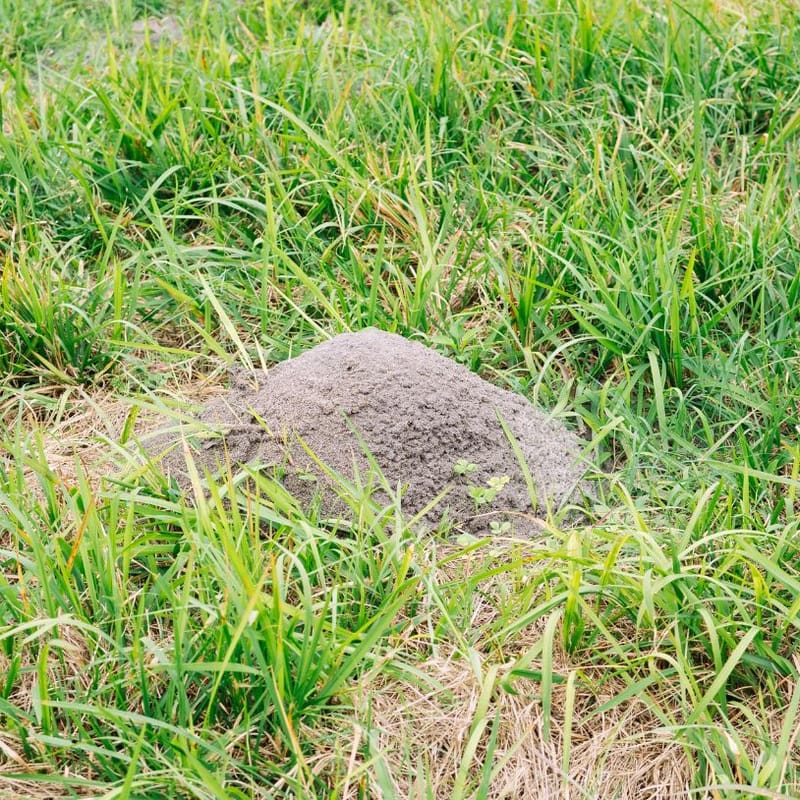
If you’ve lived in Florida long enough, you’ve no doubt had at least one run-in with fire ants. Unlike most…
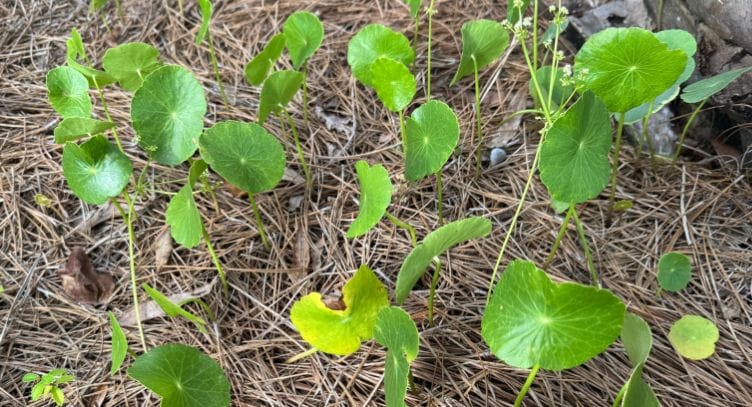
Dollarweed is one of the most common and frustrating weeds Florida homeowners face—especially in St. Augustine grass. Learn how to…