Your Essential Guide to Turf Care: Transitioning from Winter to Spring
Preparing your Florida lawn for spring is the key to a lush, healthy turf all summer long.


Heat stress is a formidable challenge for golf course superintendents and their teams, particularly in the harsh summer conditions of Florida. As temperatures rise, even well-maintained turf can begin to exhibit signs of stress, such as brown patches, thinning grass, and dry soil.
This article delves into the causes and symptoms of grass heat stress, as well as effective strategies for treating affected turf and preventing future issues. By understanding the factors at play and implementing proven management techniques, turf managers can maintain high-quality playing surfaces throughout the demanding summer season.
Grass heat stress occurs when turfgrass is subjected to prolonged periods of high temperatures and insufficient moisture. While all turfgrass species can be affected, certain varieties, are particularly susceptible to heat stress in Florida’s climate.
Under these conditions, grass struggles to absorb adequate water and nutrients from the soil, leading to dehydration and nutrient deficiencies. This weakens the turf, making it more vulnerable to secondary stressors like diseases, pests, and weed infestations.
Managing grass heat stress is critical for golf course superintendents, as it directly impacts both the aesthetics and playability of the course. Stressed turf on greens, tees, and fairways can lead to inconsistent ball roll, difficult lies, and an overall diminished golf experience for players.
Moreover, the longer heat stress persists, the more time and resources are required to restore the turf to optimal health. Proactive identification and prompt treatment can help prevent minor issues from escalating into widespread turf decline.
Early detection is key to effectively managing grass heat stress. Superintendents should train their teams to look for the following early warning signs during routine course inspections:
Catching these symptoms early allows for prompt intervention before more serious damage occurs, demonstrating expertise and proactive management to clients and golfers.
Different grass varieties common in Florida golf courses exhibit varying levels of heat stress tolerance:
Bermuda grass
Known for its excellent wear and drought tolerance, Bermuda grass can typically recover well from periods of heat stress.
Zoysia grass
Relatively heat-tolerant, Zoysia grass will also generally bounce back from stress when properly managed.
Understanding the specific needs and vulnerabilities of the grass types present on your course is essential for developing targeted management strategies. This knowledge also helps when communicating with clients who may have multiple grass varieties on their property.
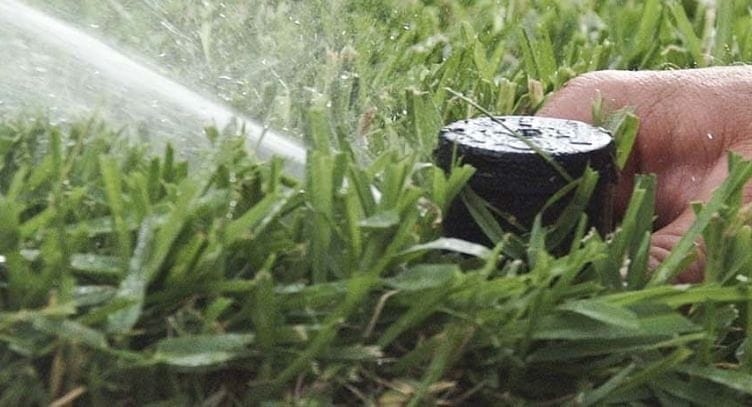
Proper irrigation is crucial during heat waves to minimize water waste while maximizing grass survival. Always water deeply and infrequently, applying approximately 0.5-1 inch per session. Watering deeply encourages deeper root growth, which in turn creates a healthier, more resilient plant.
Schedule irrigation for early morning hours, ideally between 4 am and 8 am, to minimize evaporation and allow grass to absorb moisture before the heat of the day sets in. Avoid evening watering, as this can promote fungal growth.
Florida’s sandy soils have poor water retention, so it’s important to incorporate organic matter like compost, organic fertilizers, humic acids, and sea kelp to improve the soil’s ability to hold moisture.
During periods of heat stress, adhere to the “1/3 rule” of mowing: never remove more than one-third of the grass blade height in a single mowing session. Maintaining slightly higher mowing heights can create a canopy effect, particularly in grasses like Zoysia and St. Augustine, which helps shade and protect the turf.
Continue regular mowing as long as the grass is actively growing, but always mow in the morning to minimize additional stress on the grass.
The recovery process after heat damage varies depending on grass type and overall management practices. However, by consistently following best practices for mowing, irrigation, and fertilization, you give your turf the best chance at a speedy recovery.
Regularly monitor for signs of pest activity or additional stress during the recovery period, addressing any issues promptly to prevent further setbacks. Depending on the extent of the damage, you may need to make decisions about overseeding or allowing for natural grass recovery.
Managing client expectations is key when it comes to maintaining a pristine, green golf course year-round in Florida’s challenging climate. It’s essential to help clients understand that achieving a consistently lush lawn requires daily attention and proactive management.
Explain that while a quarterly maintenance program can help, it may not be sufficient to keep grass green all year without supplementary care. Encourage clients to work closely with knowledgeable local suppliers like [Council Oxford] to develop a customized plan for their specific property and grass types.
This may involve additional fertilization, targeted weed control, or other supplemental treatments beyond their standard lawn care service. Emphasize that consistently green Florida lawns require a significant investment of time, effort, and resources, but that you are committed to providing the expertise and support needed to achieve their goals.
While effective treatment is crucial, preventing heat stress from occurring in the first place is the ultimate goal. Implement the following strategies to improve your turf’s resilience to heat stress:
Effective heat stress management requires continuous monitoring and adaptation. Maintain detailed records of weather patterns, rounds played, cultural practices, and observed stress symptoms. Over time, these records can reveal valuable insights into site-specific trends and help refine management strategies.
While we cannot control the weather, turf managers who prioritize proactive care, early detection, and swift intervention will be best positioned to maintain high-quality playing surfaces throughout the challenging summer months.
Managing grass heat stress on Florida golf courses is a complex and ongoing challenge that requires a combination of science, skill, and perseverance. By staying informed about the latest research and best practices, superintendents and their teams can develop effective strategies to mitigate the impact of extreme weather on turf health and playability.
Remember, you are not alone in this endeavor. Collaborate with your peers, industry experts, and trusted partners like [Council Oxford] to exchange ideas, troubleshoot issues, and access specialized resources when needed.
By implementing the identification, treatment, and prevention techniques outlined in this article, you can proactively manage heat stress and maintain outstanding playing conditions for your golfers, even in the face of Florida’s toughest summer conditions.

Preparing your Florida lawn for spring is the key to a lush, healthy turf all summer long.
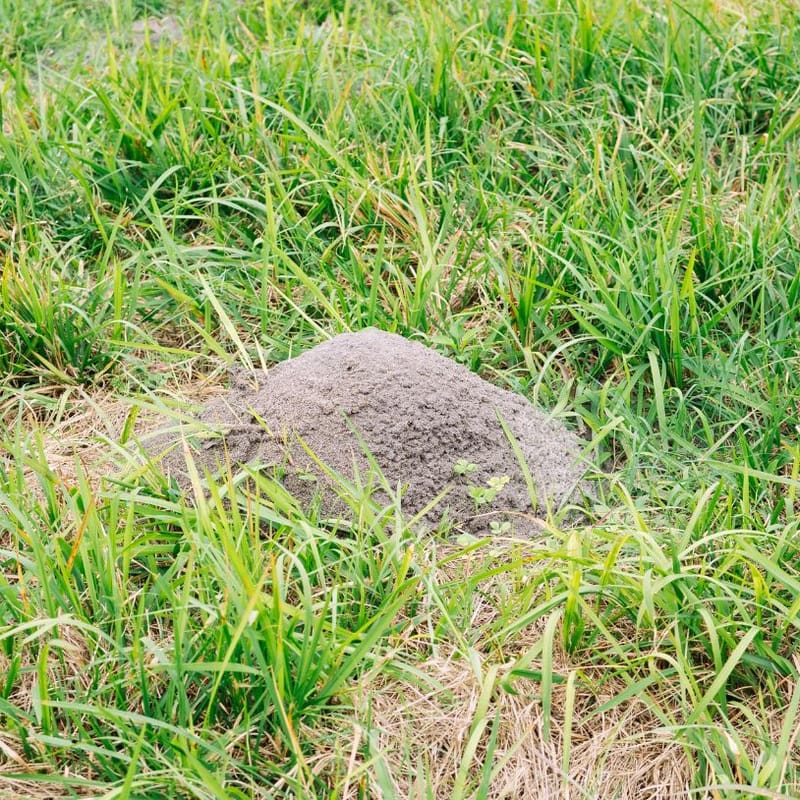
If you’ve lived in Florida long enough, you’ve no doubt had at least one run-in with fire ants. Unlike most…
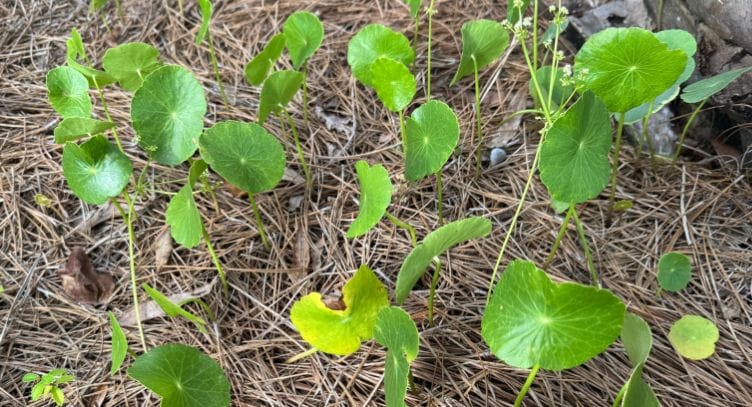
Dollarweed is one of the most common and frustrating weeds Florida homeowners face—especially in St. Augustine grass. Learn how to…