Home / Resources / Blog / How to Identify and Defeat Florida Lawn Fungus That’s Destroying Your Grass
Living in southern Florida presents unique challenges for maintaining a healthy lawn. At Council Oxford, we’ve helped countless homeowners and property managers battle lawn fungus issues unique to our climate. This comprehensive guide will help you identify, prevent, and treat common fungal problems affecting Florida lawns.
Most Common Fungus in Florida Lawns
Florida’s warm, humid climate creates the perfect environment for various fungal diseases to thrive. The most common types we encounter include:
- Brown Patch (Rhizoctonia solani)
- Gray Leaf Spot
- Powdery Mildew
- Red Thread
- Rust Disease
- Take-All Root Rot
These fungal diseases can quickly devastate a healthy lawn if left untreated. However, early identification and proper treatment can help maintain your lawn’s health and appearance.
Preventing Fungus
Prevention is always more effective than treatment. Here are essential preventive measures:
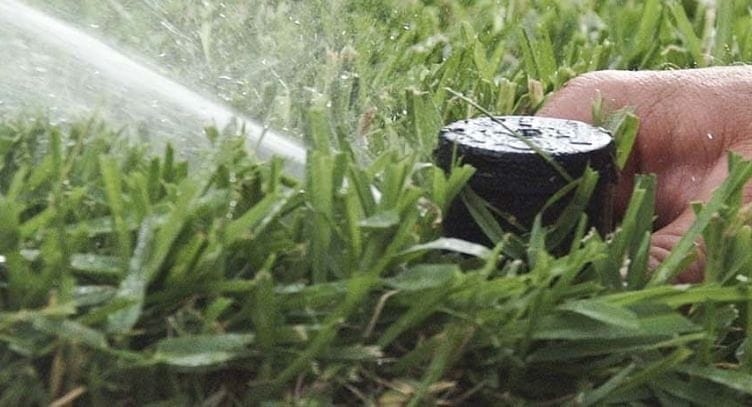
Proper Watering Schedule
- Water early morning (between 5-9 AM)
- Allow grass to dry before evening
- Avoid overwatering
- Maintain consistent watering patterns. Irrigate deeply and less frequently, rather than shorter and more frequent.Â
Mowing Practices
- Keep mower blades sharp
- Maintain proper cutting height
- Remove no more than 1/3 of grass length
- Avoid mowing wet grass
Lawn Maintenance
- Improve air circulation
- Reduce shade where possible
- Control thatch buildup
- Maintain proper soil pH
- Use preventative fungicides like Heritage G
Professional Preventive Care
At Council Oxford, we recommend implementing a year-round preventative program that includes regular applications of systemic fungicides to protect your lawn before problems develop.
Identifying Lawn Fungus
Early detection is crucial for effective treatment. Here are the most common symptoms homeowners encounter and what they likely indicate:
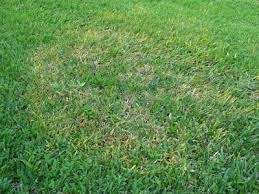
Brown or Yellow Patches
One of the most frequent concerns we hear is about discolored patches in St. Augustine grass. These patches can indicate:
- Nutrient deficiencies (particularly iron)
- Gray leaf spot disease
- Brown patch fungus
- Take-all root rot
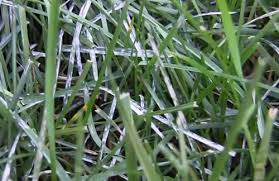
Gray or White Powdery Coating
If you notice a gray or white powder on your grass, you’re likely dealing with powdery mildew. This common fungal disease:
- Appears most often in shaded areas
- Thrives in humid conditions
- Can spread rapidly if not treated
- May weaken grass significantly over time
Circular Dead Patches
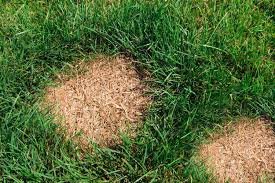
When you see circular patterns of dead grass spreading across your lawn, you’re likely dealing with brown patch disease. This occurs due to:
- Excessive moisture
- Warm weather conditions
- High humidity levels
- Extended periods of leaf wetness
Thread-like Strands
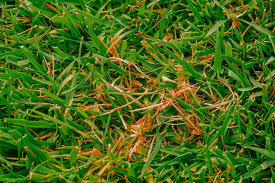
Early morning thread-like strands often indicate red thread disease:
- Most common during summer and fall
- Causes red or pink coloration
- Creates thread-like blades
- Can spread rapidly in favorable conditions
Rust-Colored Spots
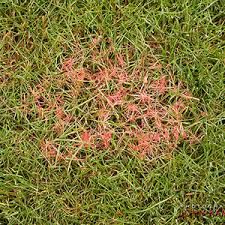
If your grass blades show rust-colored spots, you may have either:
- Rust disease (common during heat and drought stress)
- Leaf spot/blight (often caused by high humidity)
Controlling Lawn Fungus
Effective fungus control requires a multi-faceted approach:
Immediate Actions
- Cultural Controls
- Adjust watering schedules
- Improve air circulation
- Reduce shade where possible
- Address drainage issues
- Chemical Controls
- Apply appropriate fungicides
- Use systemic products for prevention
- Choose targeted treatments for specific fungi
- Follow application instructions carefully
- Professional SolutionsÂ
We recommend using:
- Heritage G for systemic year-round control
- Propiconazole 14.3 Select for broad-spectrum treatment
- Custom-tailored fungicide programs based on specific conditions
Removing Lawn Fungus
When fungal issues appear, follow these comprehensive steps for removal and recovery:
Immediate Treatment Protocol
- Accurate Identification
- Document symptoms and patterns
- Take photos for reference
- Consider professional diagnosis
- Match symptoms to specific fungi
- Treatment Application
- Choose appropriate fungicide
- Apply during optimal conditions
- Follow label instructions precisely
- Maintain consistent coverage
- Recovery Support
- Adjust irrigation practices
- Provide proper nutrition
- Monitor affected areas
- Support new growth
Top Lawn Fungus in Florida by Type
Zoysia Fungus
Zoysia grass commonly experiences these fungal issues:
- Large Patch Disease
- Most active in spring and fall
- Creates circular brown areas
- Can spread rapidly
- Requires systemic treatment
- Dollar Spot
- Small, circular patches
- Straw-colored spots
- Active in humid conditions
- Responds well to early treatment
St. Augustine Fungus
As Florida’s most popular grass type, St. Augustine faces several challenges:
- Gray Leaf Spot
- Oval-shaped lesions
- Gray-brown centers
- Purple margins
- Common in summer months
- Take-All Root Rot
- Yellowing grass patches
- Weak root system
- Can be devastating if untreated
- Requires long-term management
Bermuda Fungus
Bermuda grass typically encounters:
- Spring Dead Spot
- Circular dead patches
- Most visible in spring
- Can persist for years
- Needs preventative care
- Leaf Spot
- Dark spots on blades
- Can lead to thinning
- Worse in wet conditions
- May require multiple treatments

Professional vs DIY Fungus Control
When to DIY
- Small affected areas (less than 10% of lawn)
- Early-stage infections
- Preventative applications
- Basic maintenance
- Severe Infections
- Large affected areas
- Rapidly spreading disease
- Multiple problem areas
- Recurring issues
- Complex Situations
- Unknown fungus type
- Failed DIY treatments
- Multiple grass types
- Valuable landscape at risk
Your Action Plan for Healthy Florida Lawns
At Council Oxford, we believe in empowering homeowners while providing professional support when needed. If you’re noticing a potential fungus issue in your lawn, we built this action plan for you:
Prevention
- Implement proper watering
- Maintain good cultural practices
- Use preventative treatments
- Monitor lawn regularly
Early Detection
- Check lawn weekly
- Document changes
- Take photos
- Act quickly when issues appear
Professional Support
Consider our annual lawn care program that includes:
- Regular preventative treatments
- Professional monitoring
- Customized care plans
- Expert guidance
Ready to protect your lawn from fungal problems? Call our store today, our experts will help you develop a customized plan to keep your lawn healthy and beautiful throughout the year.
Remember: The sooner you address fungal issues, the easier they are to control. Don’t wait until small problems become major challenges.