Your Essential Guide to Turf Care: Transitioning from Winter to Spring
Preparing your Florida lawn for spring is the key to a lush, healthy turf all summer long.

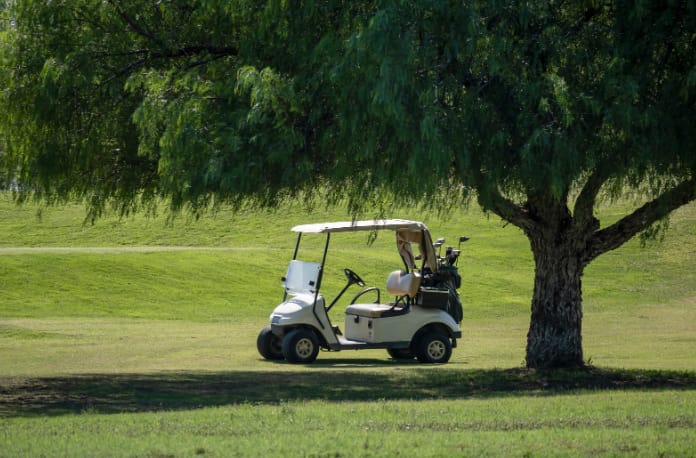
Water conservation on golf courses isn’t just an environmental concern – it’s becoming an essential practice for maintaining profitable operations in Florida’s evolving climate. As southern Florida’s premier agricultural solutions provider, we’ve helped numerous golf courses implement effective water conservation strategies that protect both their greens and their bottom line.
A typical golf course can use anywhere from 100,000 to 1,000,000 gallons of water per week depending on its size and location. In Florida’s unique climate, managing this water usage effectively requires a deep understanding of both local conditions and modern conservation techniques.
Recent studies have shown that golf courses can reduce their water consumption by 30-50% through strategic implementation of conservation practices. For Florida golf courses, this represents not just significant cost savings but also improved resilience against drought conditions and water usage restrictions.
The United States Golf Association (USGA) has invested more than $18 million in university research programs focused on environmental issues and water conservation. This research has led to remarkable developments in water-efficient practices:

Modern irrigation systems have revolutionized how golf courses manage water usage. Key components include:
Real-world results show these technologies can reduce water usage by up to 35% while simultaneously cutting energy costs by half.
Choosing the right grass varieties for Florida’s climate is crucial. Some effective options include:
These selections can result in water savings of 30-50% compared to traditional varieties while maintaining excellent playing conditions.
Forward-thinking golf courses are diversifying their water sources through:
Many Florida courses have successfully implemented these alternatives, with some achieving up to 90% reduction in potable water usage.
Proper soil management forms the foundation of effective water conservation. Through regular aeration and cultivation practices, courses can significantly improve water infiltration and reduce runoff. This approach not only maximizes the efficiency of irrigation systems but also promotes healthier turf root development. Strategic soil management includes monitoring soil moisture levels, adjusting cultivation schedules based on seasonal needs, and maintaining optimal soil structure for water retention. Topdressing with compost helps water retention, along with soil wetting agents. In soils with higher sand concentration, wetting agents and topdressing are key to lower water use.
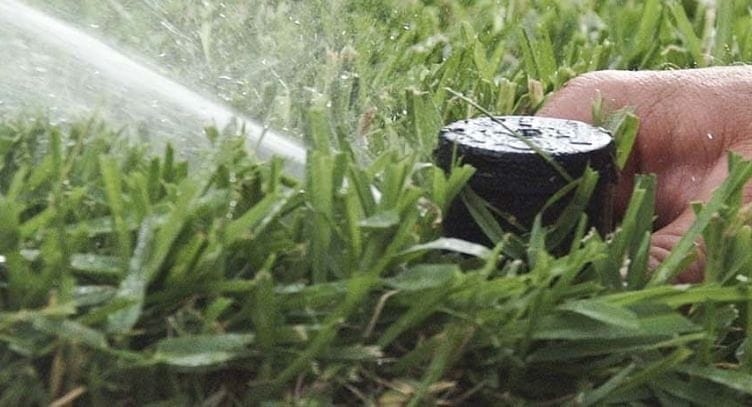
A well-maintained and properly adjusted sprinkler system is crucial for water conservation success. Regular head adjustment and maintenance ensure water is delivered precisely where needed, eliminating waste from overspray or misaligned coverage. Modern systems allow for zone-specific programming, enabling courses to adjust watering schedules based on specific area requirements. Routine coverage analysis helps identify and correct inefficiencies, while precise timing controls allow for optimal water application during low-evaporation periods.
Thoughtful course design plays a vital role in water conservation efforts. By strategically reducing irrigated areas and incorporating natural landscapes, courses can significantly decrease their water requirements while maintaining playability. Improved drainage systems direct water where it’s needed most, while smart contouring helps retain water in key areas. Many courses find that reducing irrigated turf in out-of-play areas not only saves water but also adds visual interest and environmental benefits to the course.

Investing in water conservation measures delivers substantial returns across multiple areas of golf course operations. The initial investment in modern irrigation systems and water-saving technologies typically pays for itself through dramatically reduced monthly water bills – often within the first few years. Energy costs also see significant reductions, as more efficient systems require less power to operate. Many courses report 50% or greater reductions in energy consumption after upgrading their irrigation infrastructure. Additionally, improved water management leads to decreased maintenance requirements and reduced labor costs, as staff can focus on other priorities rather than constantly adjusting inefficient systems.
Beyond direct cost savings, water conservation initiatives enhance overall course resilience, protecting against future water restrictions and price increases. Many courses also benefit from tax incentives and rebates designed to encourage water-saving measures. For example, golf courses implementing water conservation programs have documented annual savings on 7% annual reduction in water purchases, demonstrating the significant financial impact these initiatives can have on a course’s bottom line.
A common concern is that water conservation might compromise course quality. However, our experience shows that properly implemented conservation measures often improve playing conditions by:
As water becomes an increasingly precious resource in Florida, golf courses that implement effective conservation strategies now will be better positioned for future success. The combination of new technologies, improved grass varieties, and smart management practices makes it possible to maintain exceptional playing conditions while significantly reducing water consumption.
At Council Oxford, we understand the unique challenges Florida golf courses face in managing water resources. Our team of agricultural experts can help you develop and implement a comprehensive water conservation strategy tailored to your specific needs.
Contact us today to learn how we can help your course achieve significant water savings while maintaining the high-quality playing conditions your members expect.


Preparing your Florida lawn for spring is the key to a lush, healthy turf all summer long.
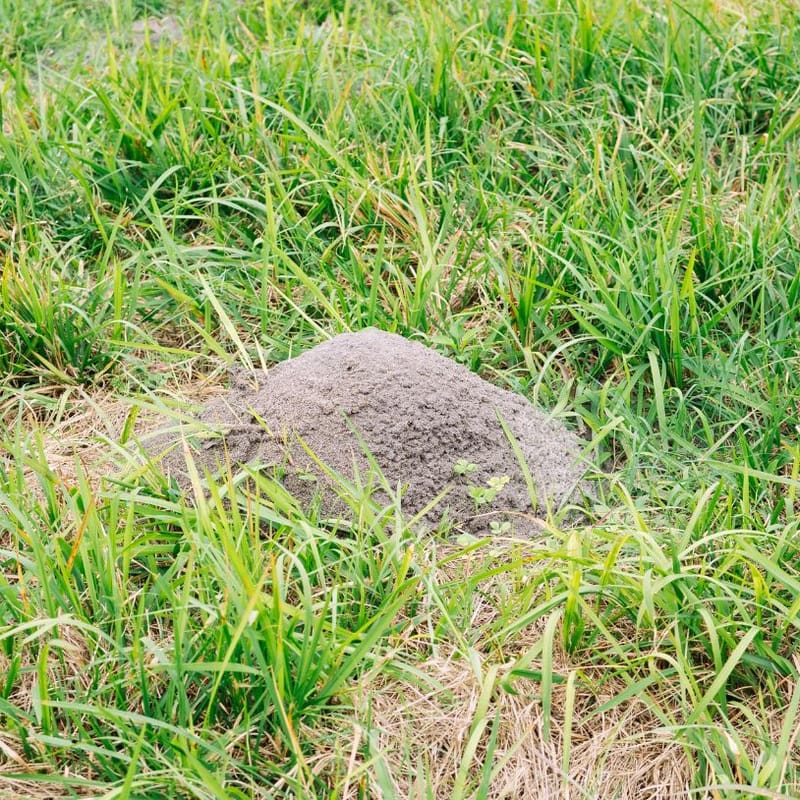
If you’ve lived in Florida long enough, you’ve no doubt had at least one run-in with fire ants. Unlike most…
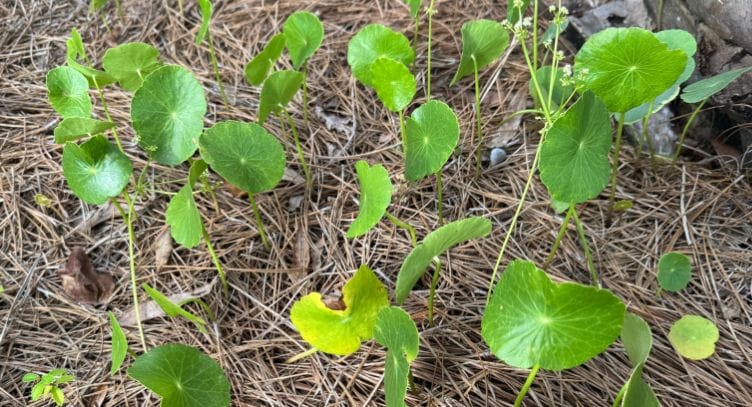
Dollarweed is one of the most common and frustrating weeds Florida homeowners face—especially in St. Augustine grass. Learn how to…