Identifying and Eliminating Fire Ant Mounds in Your Florida Yard
If you’ve lived in Florida long enough, you’ve no doubt had at least one run-in with fire ants. Unlike most…

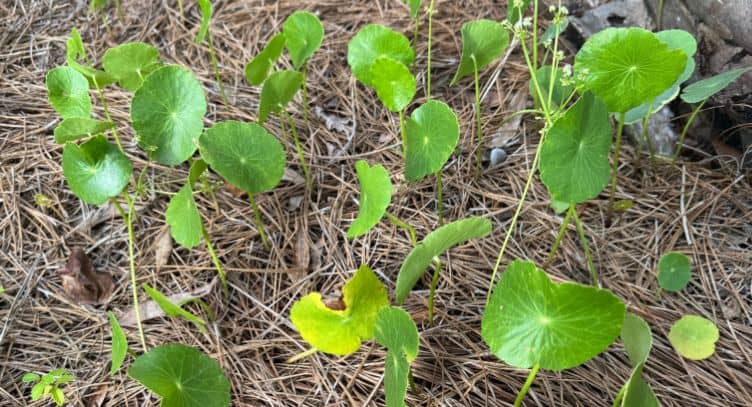
On a humid summer day, you look out over your lush St. Augustine grass and admire your carefully maintained landscaping. But as you take in your lawn’s deep green color, you notice patches of small, circular leaves that almost look like lily pads.
Those round leaves are known as dollarweed, and they’re a common and invasive weed here in Florida. Left unchecked, dollarweed can suffocate your St. Augustine grass and create large, unsightly patches throughout your lawn.
At Council Oxford, we’ve helped countless Florida homeowners get rid of dollarweed, and below, we’ll share our strategies for early detection and treatment of this troublesome species of weed.
Dollarweed gets its name from its unmistakable circular leaves that are about an inch or two in diameter and resemble a classic silver dollar. The leaves are bright green, with a scalloped shape, and grow from a slender stem. Without mowing, they’ll grow several inches above the grass, making them easier to spot.
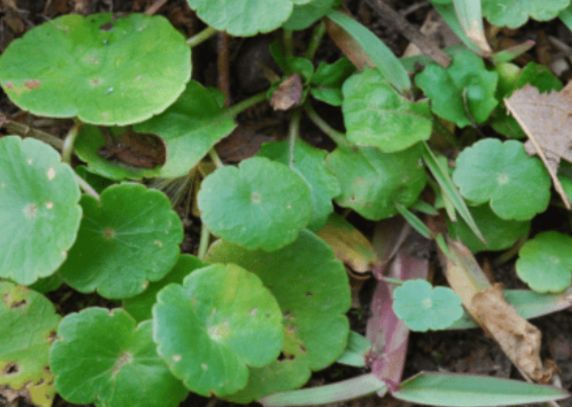
You’ll generally first spot dollarweed in low-lying areas that collect water or areas with good shading, which keeps pools of water from evaporating. You’ll want to keep a close eye on these areas to help you with early detection of dollarweed.
Like many pests and invasive weeds that thrive in Florida, dollarweed loves excessive moisture. When you combine the rainy periods of Florida’s humid summer months with the regular watering that St. Augustine requires, you have the perfect conditions for dollarweed to thrive.
Another issue is that St. Augustine grass can sometimes struggle in shaded areas, and these shaded areas that generally hold excessive moisture give dollarweed a perfect opportunity to gain a foothold and start building its root network.
As with most invasive grasses and weeds, the best remedy is to focus on prevention. Proper lawn maintenance focuses on reducing drainage issues, and proper watering should also be a top priority. Healthy and dense St. Augustine turf can generally resist dollarweed on its own.
But when your turf is struggling or weak in some areas, it gives dollarweed a chance to find a new home.
Here are some tips to keep your lawn resistant to dollarweed.
Water deeply, but infrequently: Adjust your watering so that you can water as deeply as possible without overwatering. This can reduce watering frequency, preventing excessive water buildup that dollarweed loves.
Improve drainage: Fix compacted soil areas or consider aerating if needed. High traffic areas may require decorative stones or walkways to prevent the area from becoming compacted and collecting excess water.
Keep an eye on shaded areas: Consider a taller grass blade length in areas with heavy shade. More blade area allows for more sunlight capture, which can keep the area healthy even in shaded areas, so dollarweed gets crowded out.
Fix bare or struggling areas fast: If you spot a weak area in your lawn, address it as soon as possible, either with spot treatment or by fixing the underlying cause. These areas are where dollarweed will appear first. Healthy and dense St. Augustine grass will generally be able to keep dollarweed from taking hold.
Dollarweed and its ancestors have been around for over a million years, so there’s no question it knows how to survive. This means that even the most attentive Florida homeowner can end up with a dollarweed infestation despite their best efforts.
If dollarweed has already spread and is starting to suffocate areas of your St. Augustine grass, you might need to consider a specific herbicide to get things under control.
Products containing Atrazine are effective against broadleaf weeds, such as dollarweed. They’re also safe for St. Augustine grass. These products work best as post-emergent treatments, meaning they are absorbed by mature dollarweed leaves that are already showing.
It is most effective to rotate active ingredients throughout the year when targeting weeds such as dollarweed. We recommend rotating Loyalty WDG, Atrazine 4L, and Mito.
When using herbicides, always try to spot-treat whenever possible. While most products are safe on St. Augustine grass, overuse or over-application can create a host of problems. This is another reason why early detection is so important, as it lets you spot-treat the smallest area possible.
Additionally, don’t forget about the importance of pre-emergent treatments in managing dollarweed. Our Pre-Emergent program helps prevent weeds from germinating in the first place, reducing the chances of future infestations and giving your lawn a healthier, weed-free start each season.
Most dollarweed herbicides work as post-emergents. This means that the weed needs to be in an active growth phase for the herbicide to be absorbed. For the best results, late spring through early fall are the most effective times to treat dollarweed with herbicides.
As post-emergents, the herbicide needs to remain on the leaf so it can be absorbed. When applying the product, only treat areas when no rainfall is forecast for at least 24 hours. You’ll also want to avoid applying too soon after mowing, as the dollarweed leaves will be cut, causing less absorption.
Finally, dollarweed has a robust and complex root structure, so several applications may be needed in some cases. Spread these out with 2-3 weeks between applications and monitor the progress so you don’t use more herbicide than necessary.
If you can spot dollarweed growth very early, manual removal can sometimes keep it under control. Because of the large leaves, dollarweed is easy to spot and remove. Just make sure you remove the entire weed, root system, and rhizomes.
Dollarweed has a robust and complex root system, so manual removal will only work for small areas where detection is made immediately as the weed emerges. If you have several areas on your lawn, manual removal may not be effective.
At Council Oxford, we’ve helped Florida homeowners deal with dollarweed infestations and keep it from coming back. If you’ve noticed those small, round leaves popping up in between your blades of St. Augustine grass, contact us, and we can help you develop a comprehensive strategy to get rid of dollarweed once and for all.

If you’ve lived in Florida long enough, you’ve no doubt had at least one run-in with fire ants. Unlike most…
St. Augustine grass is one of the most popular grasses among Florida homeowners. Its lush carpet-like feel and adaptation to…

Whether you’re a new homeowner in Florida or a long-time resident, you already know that conditions in the Sunshine State…